
Tokushima (city)
Capital of Tokushima Prefecture on Shikoku island.

kwakkun · CC BY-SA 3.0
Tokushima is the capital city of Tokushima Prefecture on Shikoku island in Japan. The city developed around Tokushima Castle, seat of the Hachisuka clan during the Edo period, and prospered as a center for the indigo dye industry.
- country
- Japan
- region
- Shikoku
- known_for
- Awa Odori festival, indigo dye industry, Tokushima Castle
Lore & Background
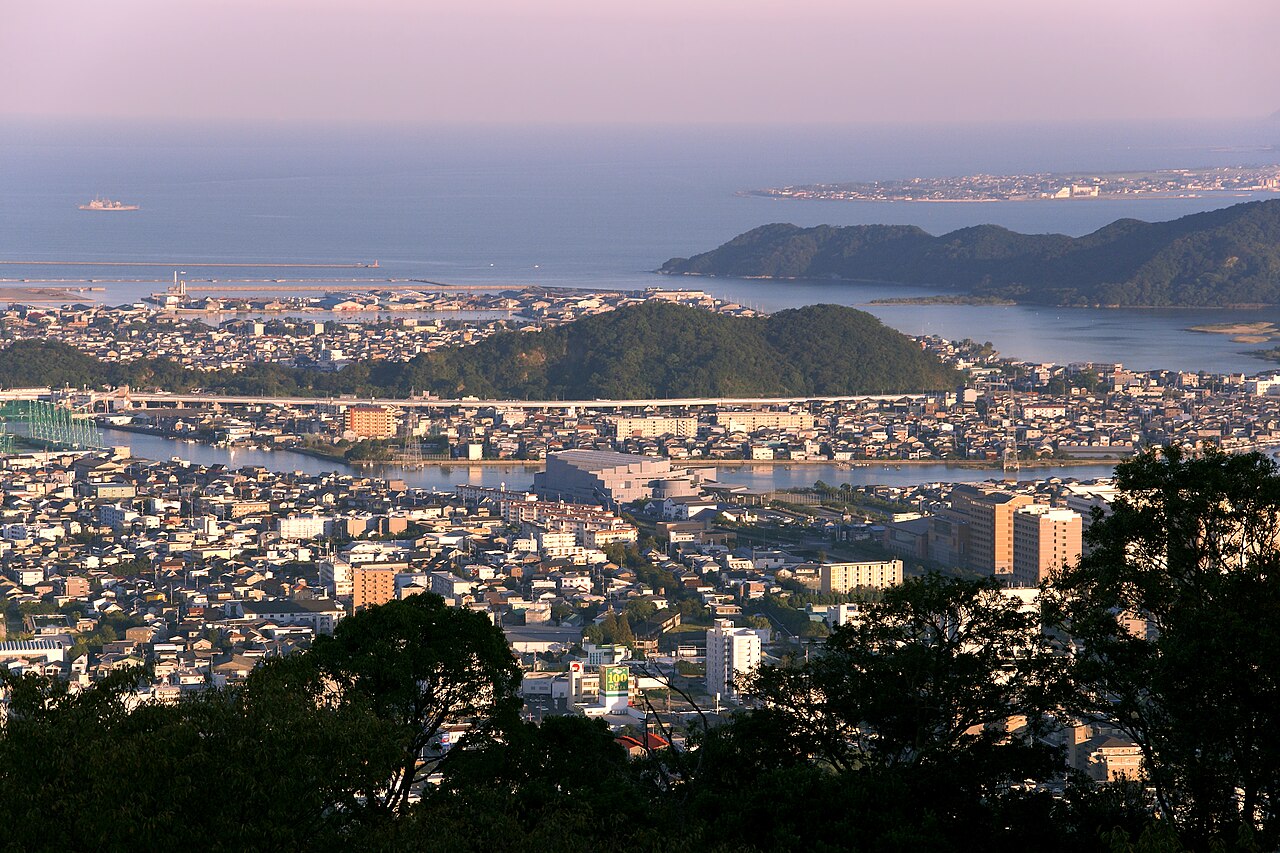
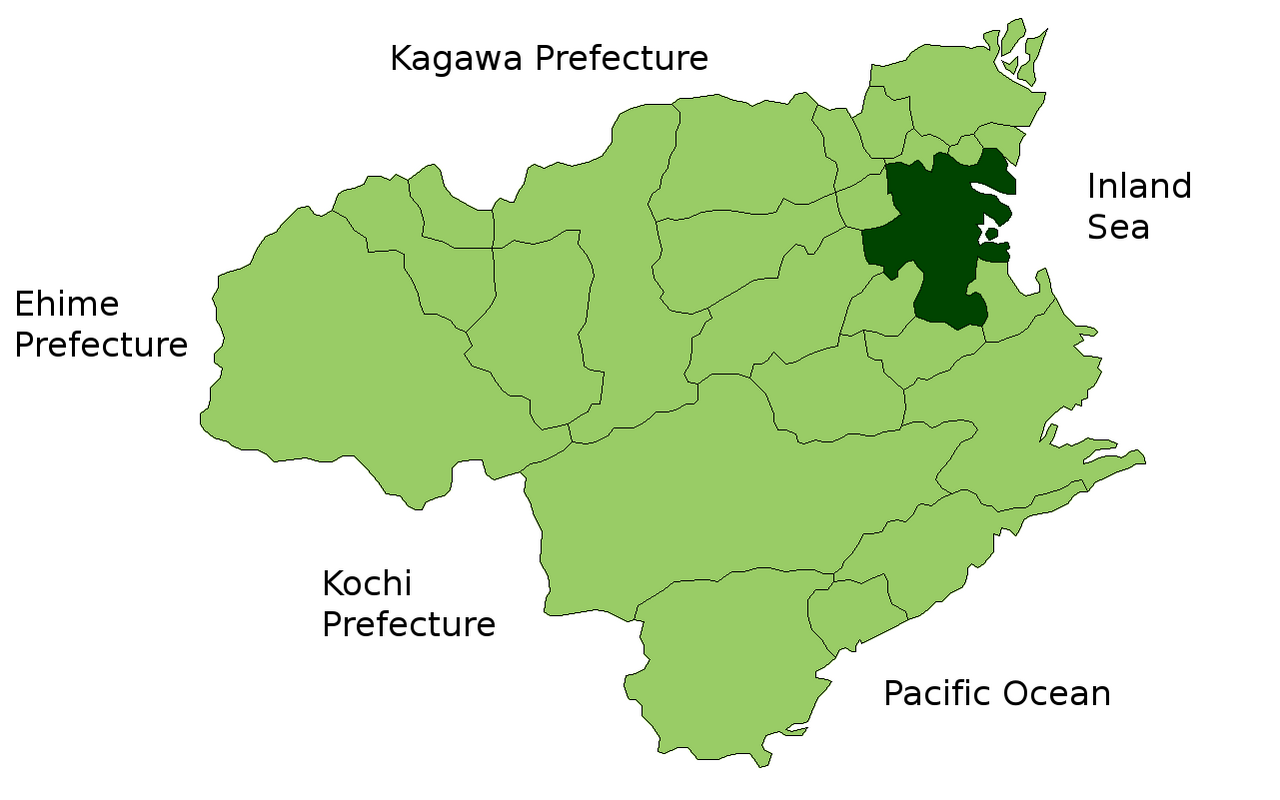
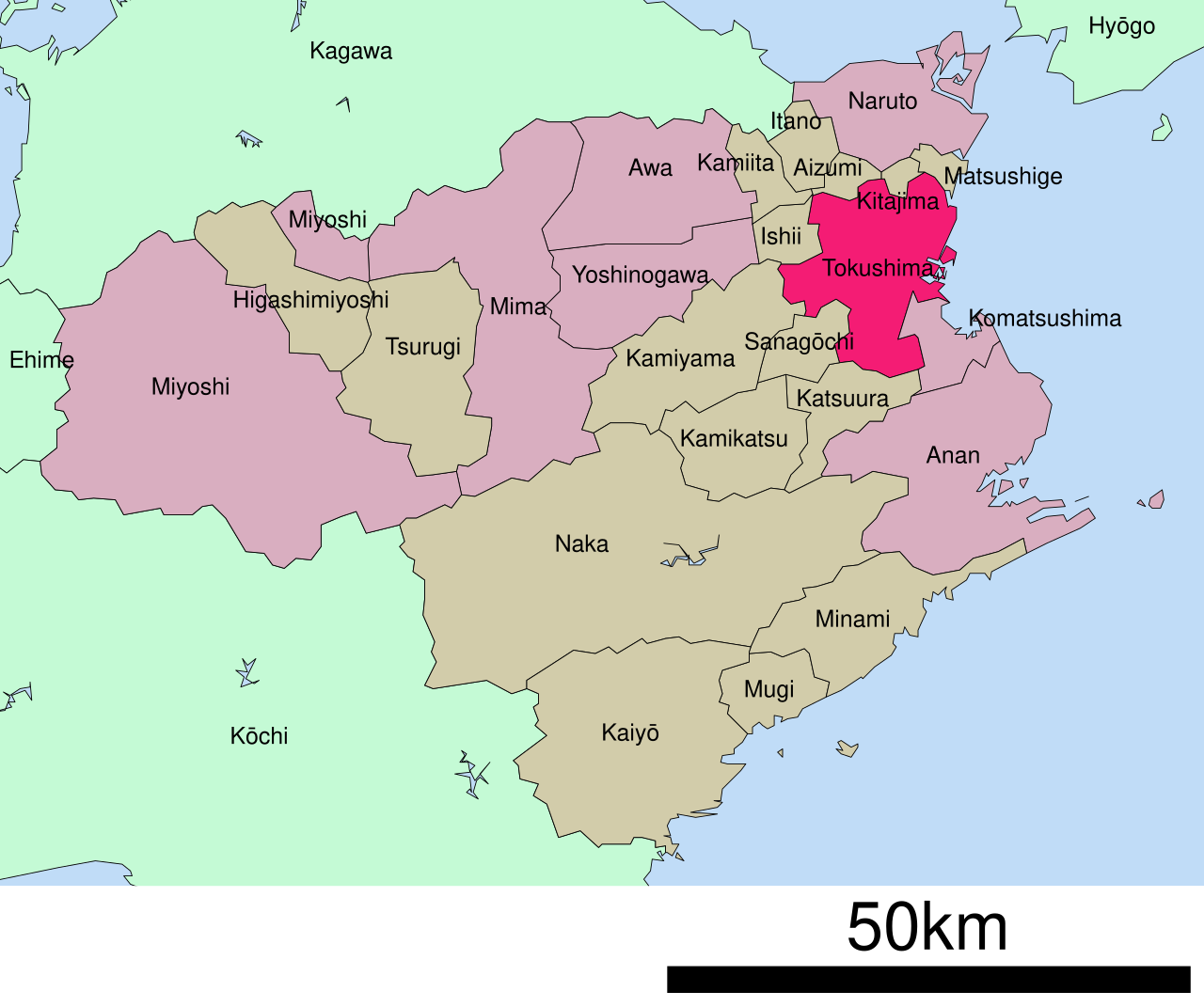
Tokushima is situated in the northeastern part of Tokushima Prefecture at the mouth of the Yoshino River. The city displays the typical characteristics of a Japanese castle town, with most of the city located on the flat Tokushima plain. Mount Bizan rises in the center, creating a scenic landscape, while the southern part is mountainous with forests. The city has a humid subtropical climate with hot summers and cool winters, and precipitation is high with wetter summers and drier winters.
Reader's Guide
Tokushima's significance stems from its role as the economic center of eastern Shikoku since the Edo period, when it prospered as a distribution center for indigo and timber. Following the decline of the indigo industry, accumulated merchant wealth led to the development of banks and financial institutions, which in turn fostered modern industries such as spinning, papermaking, pharmaceuticals, food processing, and electric power. Despite this, Tokushima was quickly reconstructed. Today, agriculture and forestry remain major contributors to the local economy, with the Tokushima Plain providing fertile land for rice, cauliflower, and carrots. The city is also famous for the Awa Odori festival held every August during Obon, a cultural dance festival featuring traditional Japanese dance accompanied by strings, drums, and singing.
Castle Town Roots and the Indigo Fortune
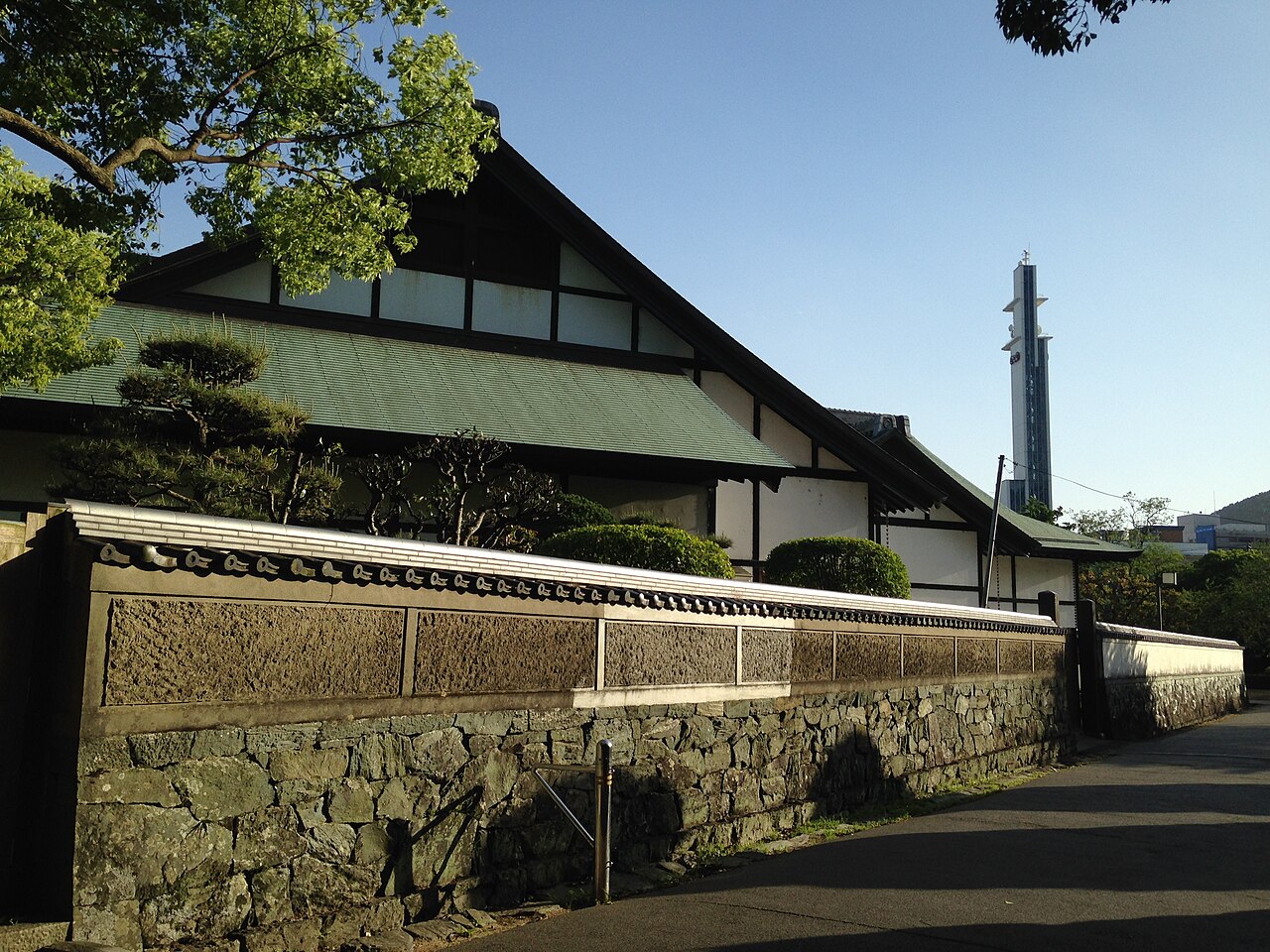
Tokushima grew up around its castle. During the Edo Period, the Hachisuka clan governed the Tokushima Domain from their seat at Tokushima Castle under the Tokugawa shogunate, and the settlement that formed around that stronghold became one of Japan's most commercially vital towns. The engine behind that prosperity was indigo dye: the city served as a major distribution hub for both indigo and timber across eastern Shikoku, earning its place among the leading commercial centers of the country. The indigo trade eventually waned, but the merchant families who had grown rich on it redirected their accumulated capital into banking and financial institutions. Those institutions, in turn, seeded a wave of modern manufacturing—spinning, papermaking, pharmaceuticals, food processing, and electric power—that carried the city into the twentieth century. Today the economic thread still reaches westward: the Akashi Kaikyo Bridge has deepened Tokushima's historic tie to the Kansai region, especially Osaka, making the bridge a lifeline for trade and daily commutes alike.
The Night of Fire: July 3, 1945
The arithmetic is staggering—nearly three incendiary bombs per resident. Seventy-four percent of the city's built-up areas were reduced to ash. Yet Tokushima did not remain a ruin. The city was rebuilt with remarkable speed, and the scars of that night gave way to numerous industrial parks that anchor the local economy today. The memory of the raid remains a defining chapter in the city's collective identity, a reminder of both the fragility of a community and its capacity to rise again.
Awa Odori and the Pilgrimage Landscape
No single event captures Tokushima's cultural soul quite like Awa Odori. Every August, during the Obon Festival, the streets fill with dancers of every age and skill level—toddlers taking wobbly steps alongside seasoned professional troupes—all performing a distinctive style of traditional Japanese dance in colorful regional costumes. The rhythm is set by strings and drums, and the singing typically comes from the dancers themselves, creating an atmosphere of communal joy that draws visitors from across the country. The name "Awa" is a direct echo of the province's ancient identity; the city and its prefecture were long known as Awa Province, and that older name lives on in the festival's title. Beyond the dance, Tokushima sits within the sacred geography of the Shikoku Pilgrimage, hosting five of its 88 temples: Dainichi-ji (13th), Jōraku-ji (14th), Awa Kokubun-ji (15th), Kan'on-ji (16th), and Ido-ji (17th). The Ichinomiya Jinja shrine, one of the principal shrines of the old Awa Province, adds another layer to the city's deep spiritual heritage.
A Castle Town on the Yoshino: Geography and Daily Life
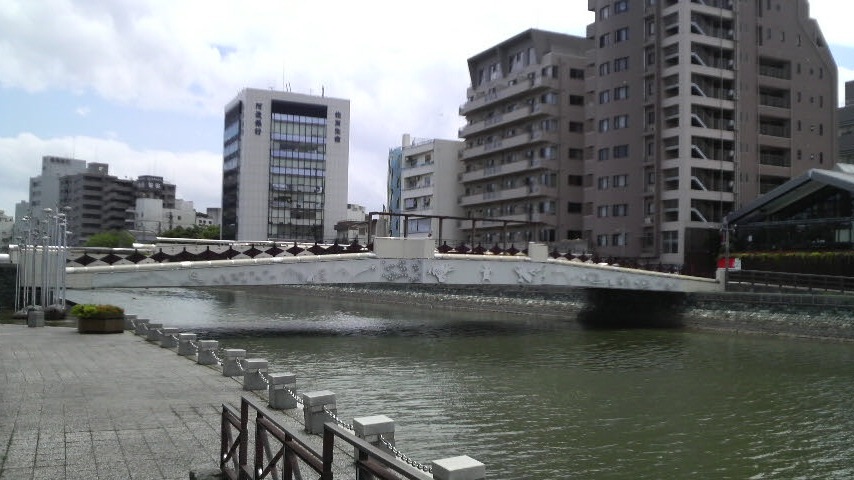
The layout is a textbook example of a Japanese castle town: most of the urban area sits on the flat Tokushima Plain, but the city's beloved symbol, Mt. Bizan, rises in the centre and gives the skyline a distinctive silhouette. To the south, the terrain shifts into forested hills. Five rivers—Yoshino, Akui, Imagire, Shinmachi, and Suketō—thread through the landscape, feeding fertile basins where rice, cauliflower, and carrots are among the region's signature crops. The climate is humid subtropical, with sweltering, rain-heavy summers and milder, drier winters. Getting around is straightforward: the Shikoku Railway's Kōtoku, Mugi, and Tokushima lines connect the city to neighbouring towns, the Tokushima and Nanbu Expressways link it to the national highway network, and Tokushima Airport in the adjacent town of Matsushige provides air access. The city also maintains sister-city ties with Saginaw in Michigan, Leiria in Portugal, and Dandong in China, extending its reach across three continents.
Gallery
Frequently Asked Questions
What is Tokushima (city) known for?
The city is best recognized for the Awa Odori festival, its long heritage as a center of the indigo dye trade, and the ruins of Tokushima Castle. These three elements together define its cultural identity among Shikoku's cities.
How did Tokushima (city) develop historically?
The settlement grew up around Tokushima Castle, which served as the stronghold of the Hachisuka clan throughout the Edo period. Over time the surrounding area became a thriving hub for indigo dyeing, which drove much of the city's early economic growth.
Why is Tokushima (city) important to Shikoku?
As the prefectural capital, it functions as the administrative and cultural heart of the region. Its combination of Edo-period castle history, a nationally celebrated dance festival, and a distinctive dyeing tradition makes it a key reference point for anyone exploring Shikoku's heritage.
More in Asian Cities 25-35
Elsewhere in the Asian Cities universe
Spotted an error? Know more?
This is a living reference — every entry is fact-audited, and reader corrections feed straight into our audit queue. Suggest an edit · See this site's audit record