
Aomori
Capital of Aomori Prefecture, known for heavy snowfall and Jōmon sites.

水だらけのプール · CC BY-SA 4.0
Aomori (青森, Aomori; IPA: [aoꜜmoɾi]), officially Aomori City (青森市, Aomori-shi), is the capital city of Aomori Prefecture, in the Tōhoku region of Japan. Aomori is one of Japan's 62 core cities and the core of the Aomori metropolitan area.
- Prefecture
- Aomori Prefecture
- Region
- Tōhoku, Japan
Lore & Background
The large scale of these settlements revolutionized theories on Jōmon period civilization. During the Heian period, the area was part of the holdings of the Northern Fujiwara clan, but remained inhabited by the Emishi people well into the historic period. After the fall of the Northern Fujiwara in the Kamakura period, the territory was part of the domain assigned to the Nambu clan, and into the Sengoku period, it came under the control of the rival Tsugaru clan, whose main castle was located in Namioka. The Hirosaki Domain first established a port settlement originally called Utō. After the Meiji Restoration, the feudal domains were abolished and replaced with prefectures.
Reader's Guide
Aomori's significance stems from its role as the capital of Aomori Prefecture and a major transport hub. In the post-war period, Aomori was rebuilt as the local political and commercial center.
Did You Know?
- The name Aomori is composed of ao (blue/green) and mori (forest), literally meaning 'green forest', likely originating from a small forest on a hill used by fishermen as a landmark.
Ancient Roots: The Jōmon Revolution
The land that now hosts Aomori City carries traces of human habitation stretching back thousands of years before any written record. Archaeologists have uncovered numerous Jōmon-period sites across the area, but two stand out for their extraordinary scale. What made these discoveries seismic was not merely their age but their size: the sheer scale of these prehistoric settlements forced scholars to rethink long-held assumptions about what Jōmon-era communities could achieve. Rather than small, scattered bands of hunter-gatherers, the evidence pointed toward organized, sizable settlements with complex social structures. For a city whose official founding is usually traced to the seventeenth century, this deep archaeological layer reminds residents and visitors alike that Aomori's story as a place of human gathering is far older than any daimyō's decree. The Jōmon sites remain a point of local pride and a reminder that the Aomori Plain has drawn people to its shores and forests for millennia.
From Fishermen's Landmark to Prefectural Seat
The name Aomori literally translates to "green forest," a compound of ao meaning blue or green and mori meaning forest or woods. The origin story is simple: a small patch of trees on a nearby hill served as a navigational landmark for local fishermen. The city's political significance leapt forward after the Meiji Restoration.
Tragedy and Rebuilding
Aomori's modern history is punctuated by repeated catastrophes that tested the city's capacity to recover. Yet Aomori rebuilt itself as the region's political and commercial hub.
A Landscape of Water, Mountain, and Steam
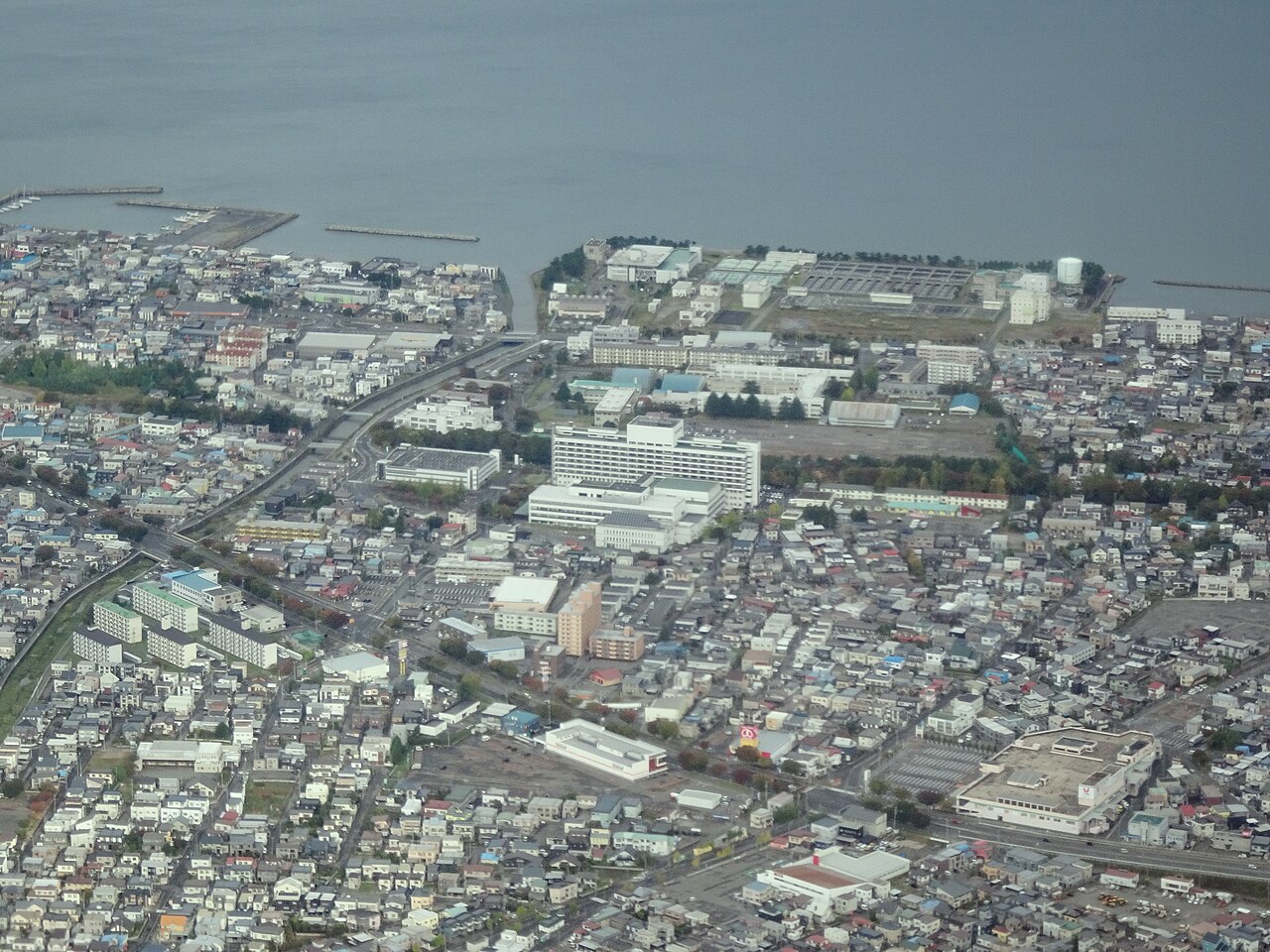
Aomori sits in the heart of the Tsugaru region, the western half of Japan's northernmost Honshu prefecture, and is centered on the broad Aomori Plain. To the north, the city opens onto Aomori Bay, a branch of the larger Mutsu Bay, while the Hakkōda and Higashidake Mountains—the northernmost reaches of the Ōu range—rise to the south and east. Two significant rivers, the Komagome and its tributary the Arakawa, thread through the urban area, shaping both the topography and the agricultural character of the plain. The city's natural diversity extends well beyond its core: in the southeast, portions of Aomori fall within Towada-Hachimantai National Park, a destination that draws visitors across all four seasons, while the northeast hosts the Asamushi-Natsudomari Prefectural Natural Park. Hot springs are a particular draw, with Sukayu Onsen nestled at the foot of Mount Hakkōda and the coastal Asamushi Onsen offering a different kind of thermal experience.
Gallery

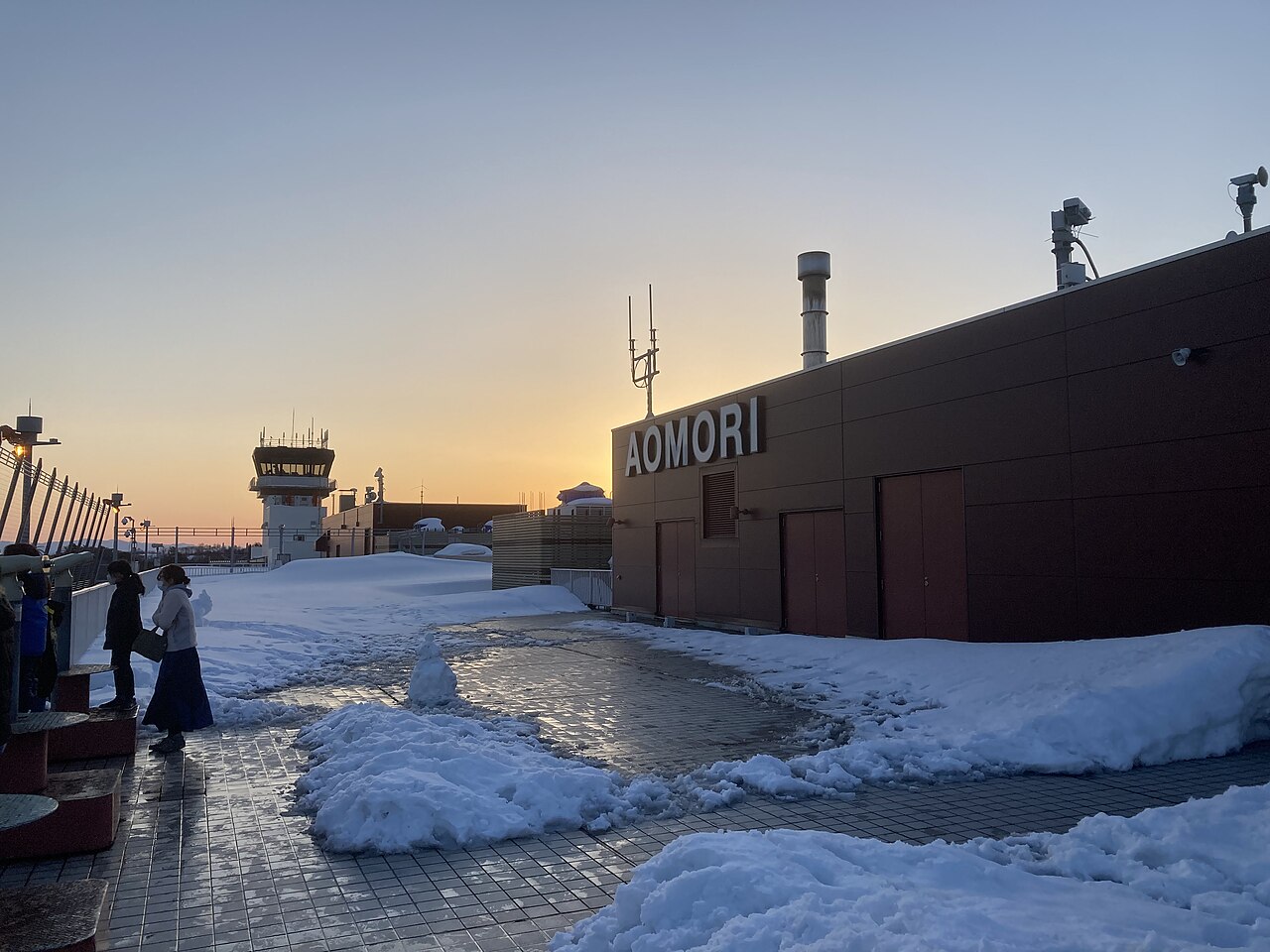
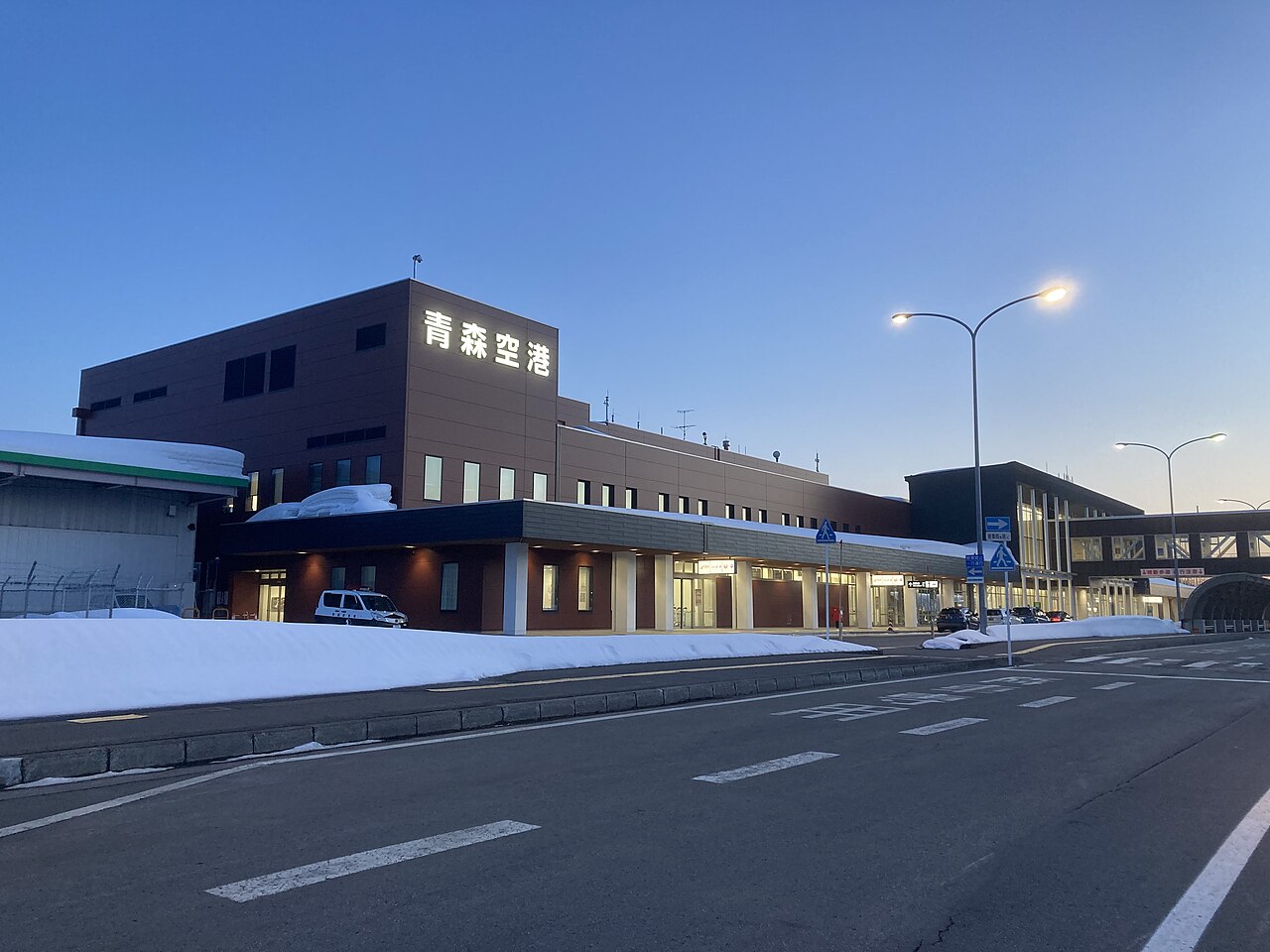
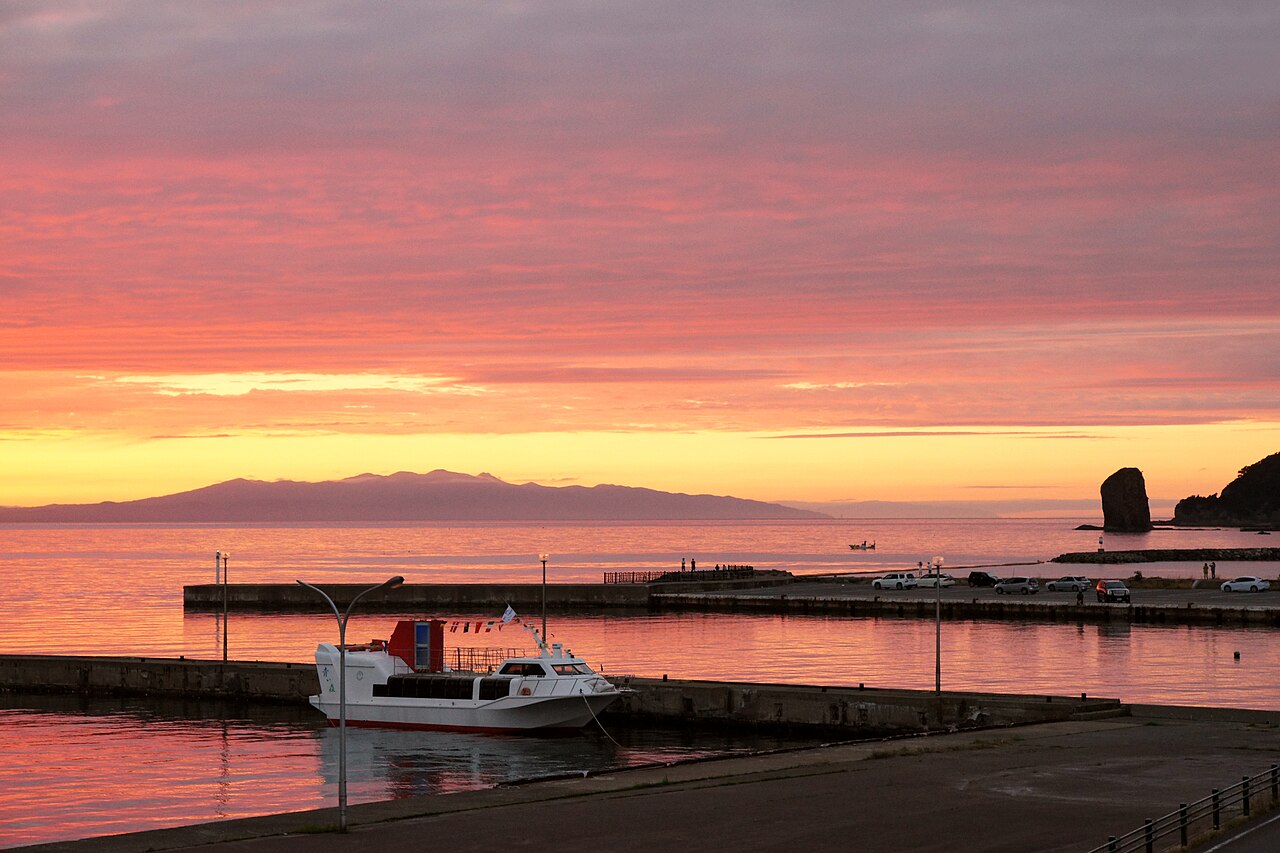
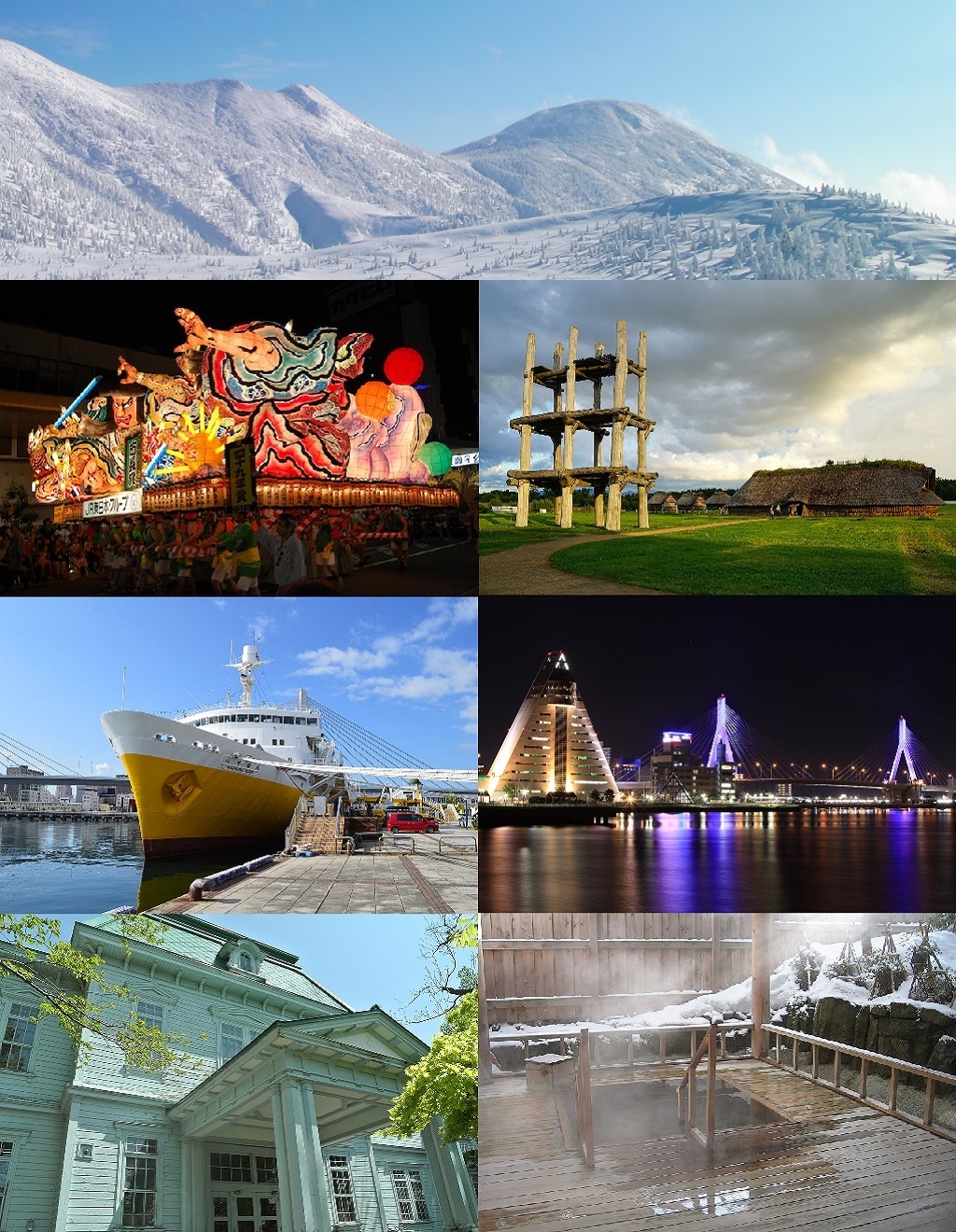
Frequently Asked Questions
What is Aomori known for?
The city is recognized for its heavy winter snowfall and for being the site of significant Jōmon-period archaeological remains. It also functions as the central hub of the Aomori metropolitan area.
More in Asian Cities 1-24
Elsewhere in the Asian Cities universe
Spotted an error? Know more?
This is a living reference — every entry is fact-audited, and reader corrections feed straight into our audit queue. Suggest an edit · See this site's audit record