
Bishkek

xiquinhosilva · CC BY 4.0
Bishkek is the capital and largest city of Kyrgyzstan, also serving as the capital of the Chüy Region.
- Country
- Kyrgyzstan
- Region
- Chüy Region
Reader's Guide
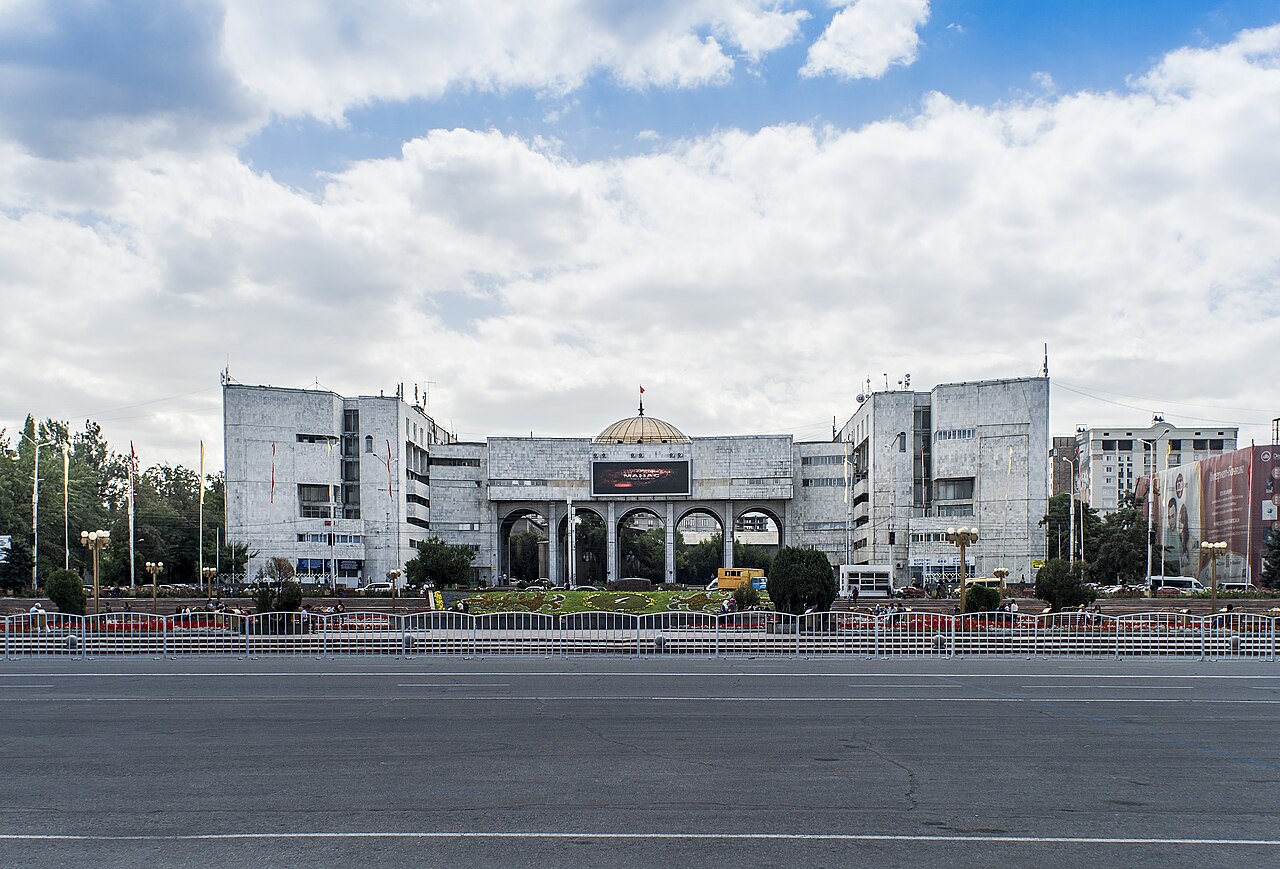
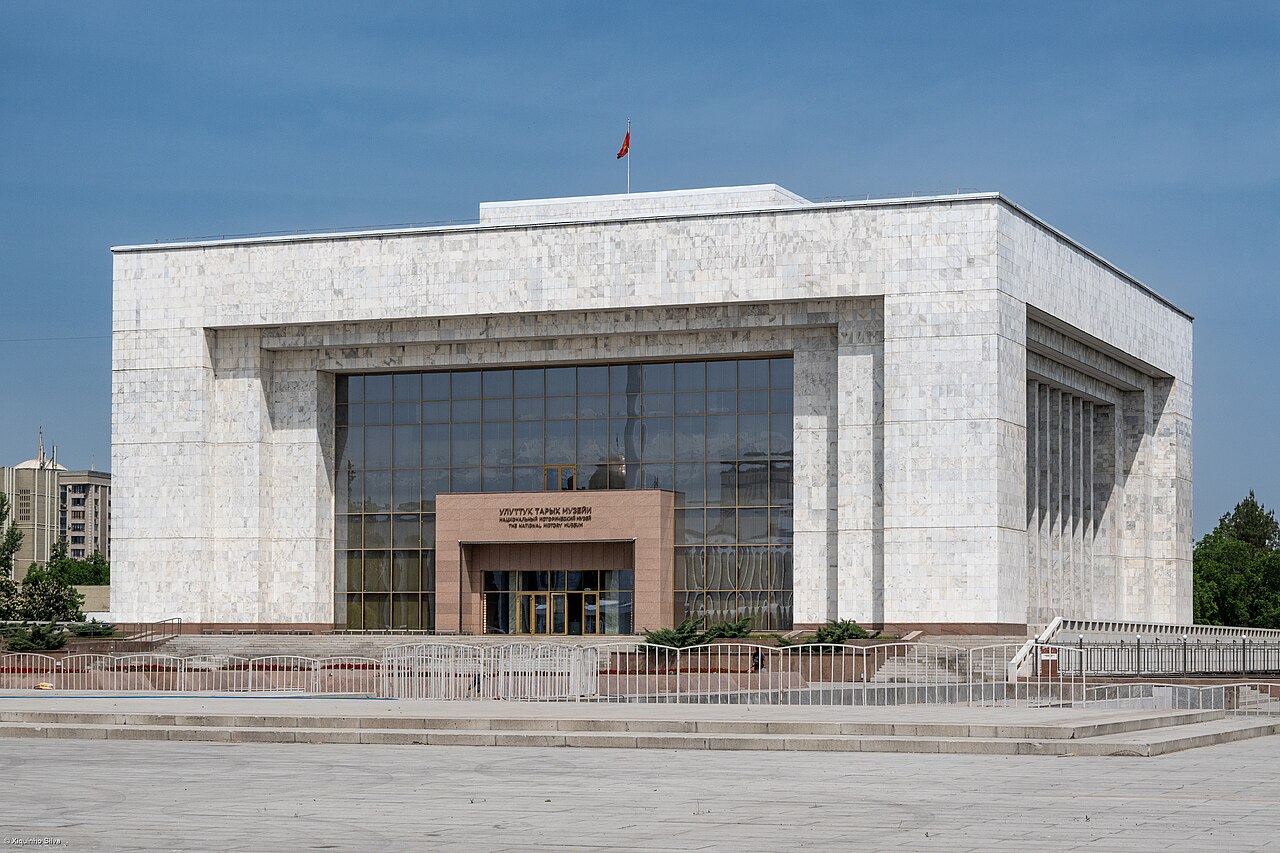
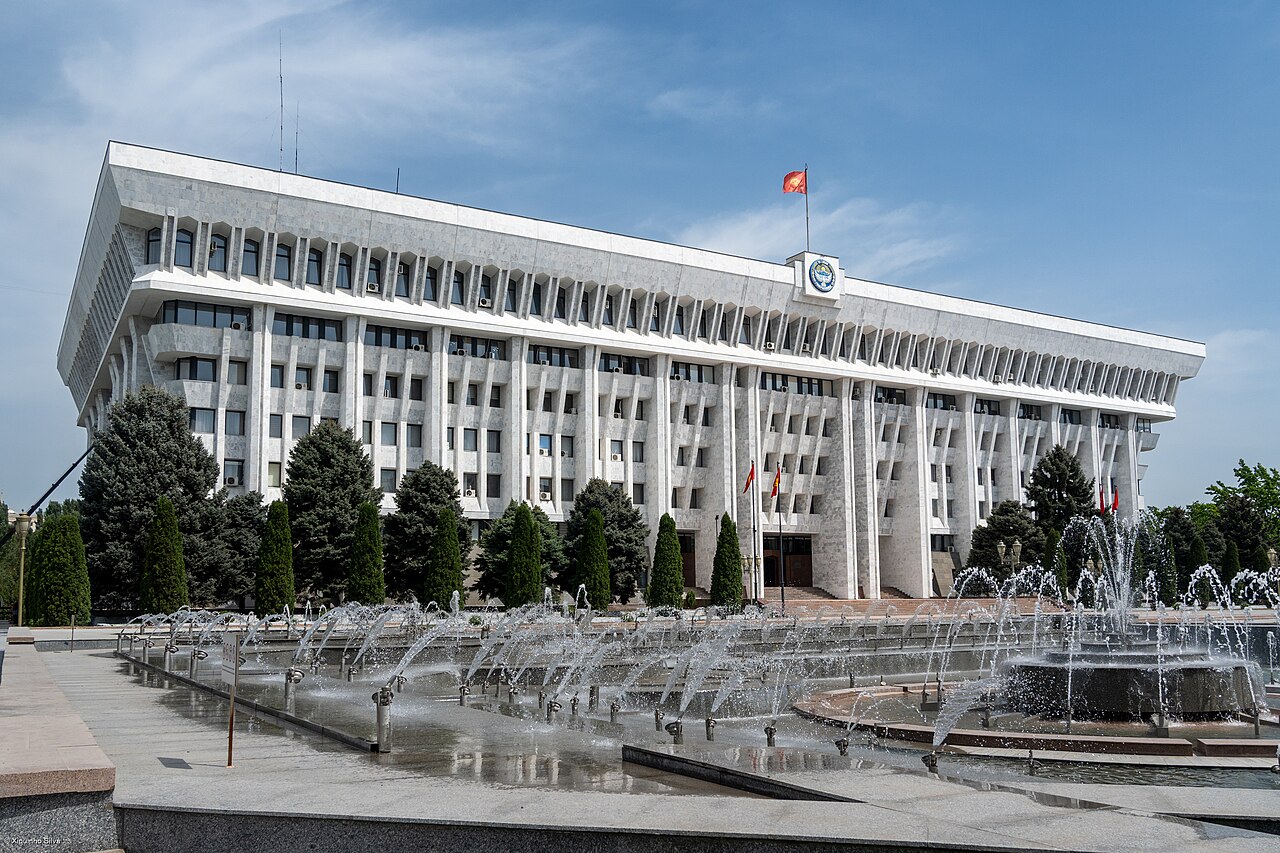
Bishkek is the financial centre of Kyrgyzstan, with all of the country's 21 commercial banks headquartered there. One of its largest employment centres today is the Dordoy Bazaar open market, where many Chinese goods imported to CIS countries are sold. Bishkek features wide boulevards, marble-faced public buildings, Soviet-style apartment blocks, and thousands of smaller privately built houses. The city's main street is Chüy Avenue, and its central part is laid out on a rectangular grid plan.
Did You Know?
- Bishkek is supposedly named after the paddle used to churn fermenting milk.
Origins & the Fortress Era
The site that would become Bishkek has deep roots as a caravan waypoint along one of the Silk Road branches threading through the Tian Shan mountains, possibly established by Sogdian traders.
The Naming Saga
Few cities in Central Asia have cycled through so many official names in so short a span. The name Frunze endured for sixty-five years. The city's official website traces the name to a paddle used in churning kumis, lost by the pregnant wife of a hero who, while searching for it, gave birth to a son she named Bishkek.
Geography & Urban Fabric
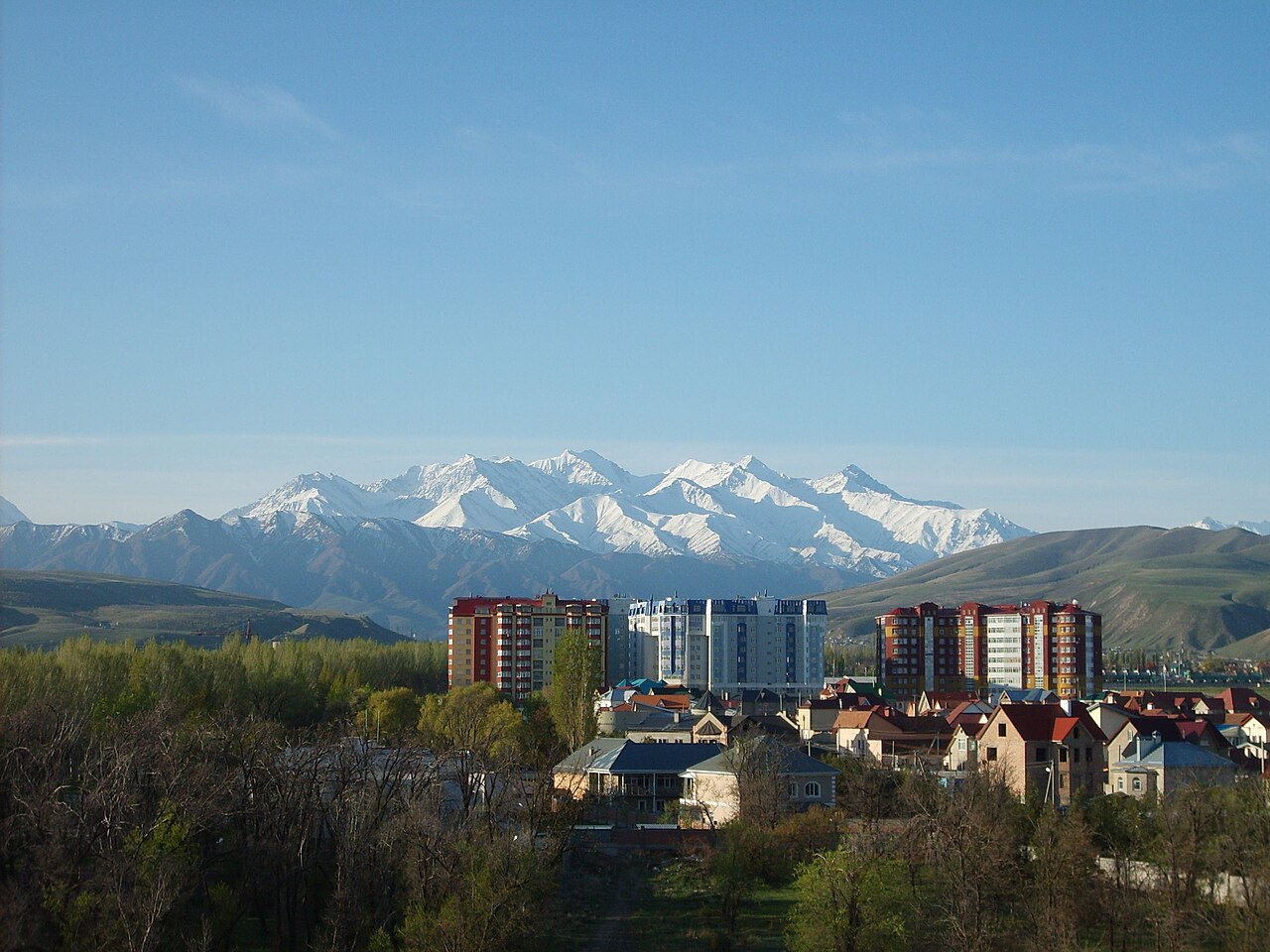
To the north, the terrain flattens into a broad, gently rolling steppe that stretches all the way into Kazakhstan, drained largely by the Chüy River. The city's core is laid out on a strict rectangular grid, a legacy of its planned Russian founding. Wide boulevards and marble-clad public buildings coexist with dense clusters of Soviet-era apartment blocks arranged around interior courtyards, while thousands of smaller privately built houses fill the periphery. A distinctive feature of the streetscape is the pair of narrow irrigation channels running along both sides of most roads, feeding the rows of trees that cast welcome shade through the hot summers. The east-west Chüy Avenue, once called Lenin Avenue, anchors the governmental and academic heart of the city, while Sovietskaya Street (now officially Yusup Abdrakhmanov Street) serves as the main north-south artery, linking the railway station to the Dordoy Bazaar in the north.
Post-Soviet Transformation
The decades following independence reshaped Bishkek's economic and demographic character. During the Soviet period the city hosted a substantial base of industrial plants, yet most of those facilities have since closed or been drastically scaled back. Today the city functions as Kyrgyzstan's financial hub, housing the headquarters of all twenty-one of the country's commercial banks. One of the largest single employers is the Dordoy Bazaar, a sprawling open market where vast quantities of Chinese goods destined for CIS markets are traded.
Gallery
Frequently Asked Questions
What role does Bishkek play in the country?
As the national capital it houses the government, parliament, and major cultural institutions, anchoring Kyrgyzstan's political and economic life. Its position in the fertile Chüy Valley also makes it a critical hub for regional trade and transport.
More in Asian Cities 1-24
Elsewhere in the Asian Cities universe
Spotted an error? Know more?
This is a living reference — every entry is fact-audited, and reader corrections feed straight into our audit queue. Suggest an edit · See this site's audit record