
Aktobe
Major industrial and cultural center in western Kazakhstan.

BasilLeaf · CC BY-SA 4.0
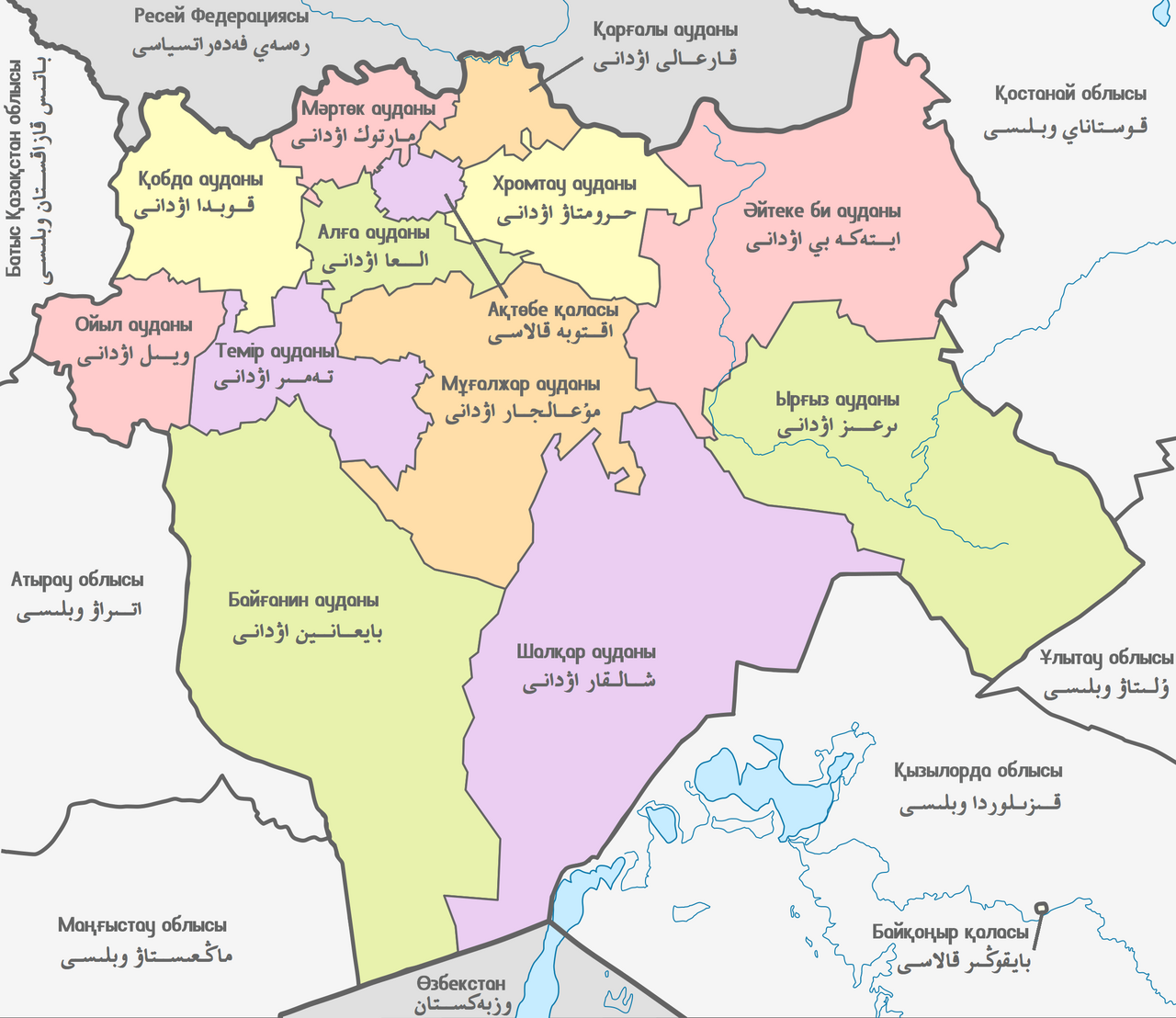
Aktobe is a major city in western Kazakhstan, located on the river Ilek. It serves as the administrative center of the Aktobe Region and is an important cultural, economic, and industrial hub, as well as the largest city in western Kazakhstan.
Lore & Background
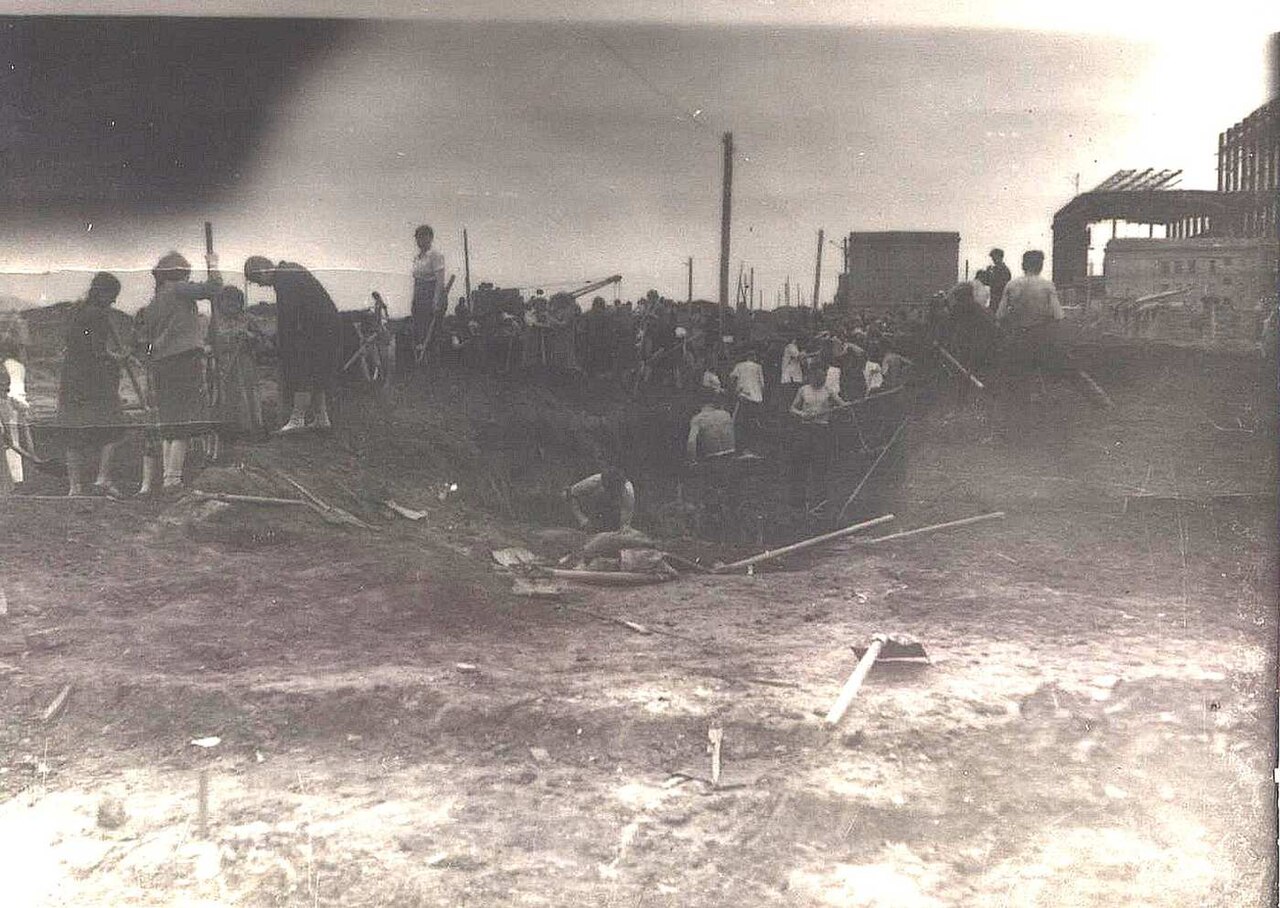
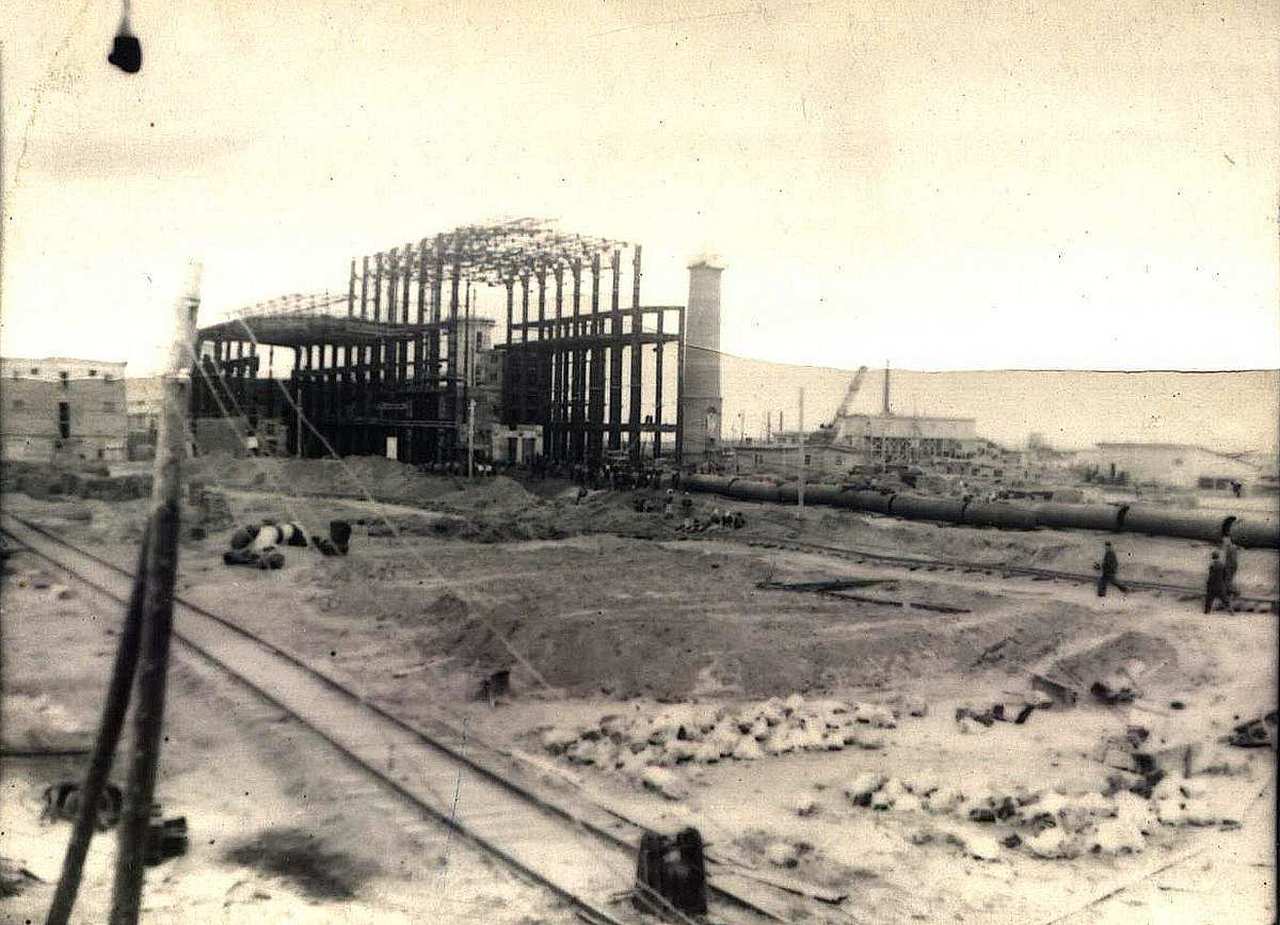
During World War II, factories evacuated from Ukraine and Moscow were relocated to the city, boosting its industrial base.
Reader's Guide
Aktobe is significant as the fourth-largest city in Kazakhstan and the largest in the western part of the country, serving as a vital regional center for trade, commerce, and industry. Its economy is driven by coal mining, metallurgy, and oil and gas extraction and processing, making it a key hub for energy production and heavy industry. The city's strategic location on the Ilek River and its connections by road and rail to other major cities enhance its role in regional trade. Aktobe is also a growing cultural center, hosting cultural events and housing universities and technical schools that contribute to higher learning and innovation. The city's agglomeration is projected to reach around 1.3 million people in the coming years, reflecting rapid urbanization and expansion.
Did You Know?
- Aktobe's name comes from Kazakh words meaning 'white hill,' referring to the heights of the original settlement.
- The city's two significant water reservoirs are named Aktobe and Sazdy.
From White Hill to District City
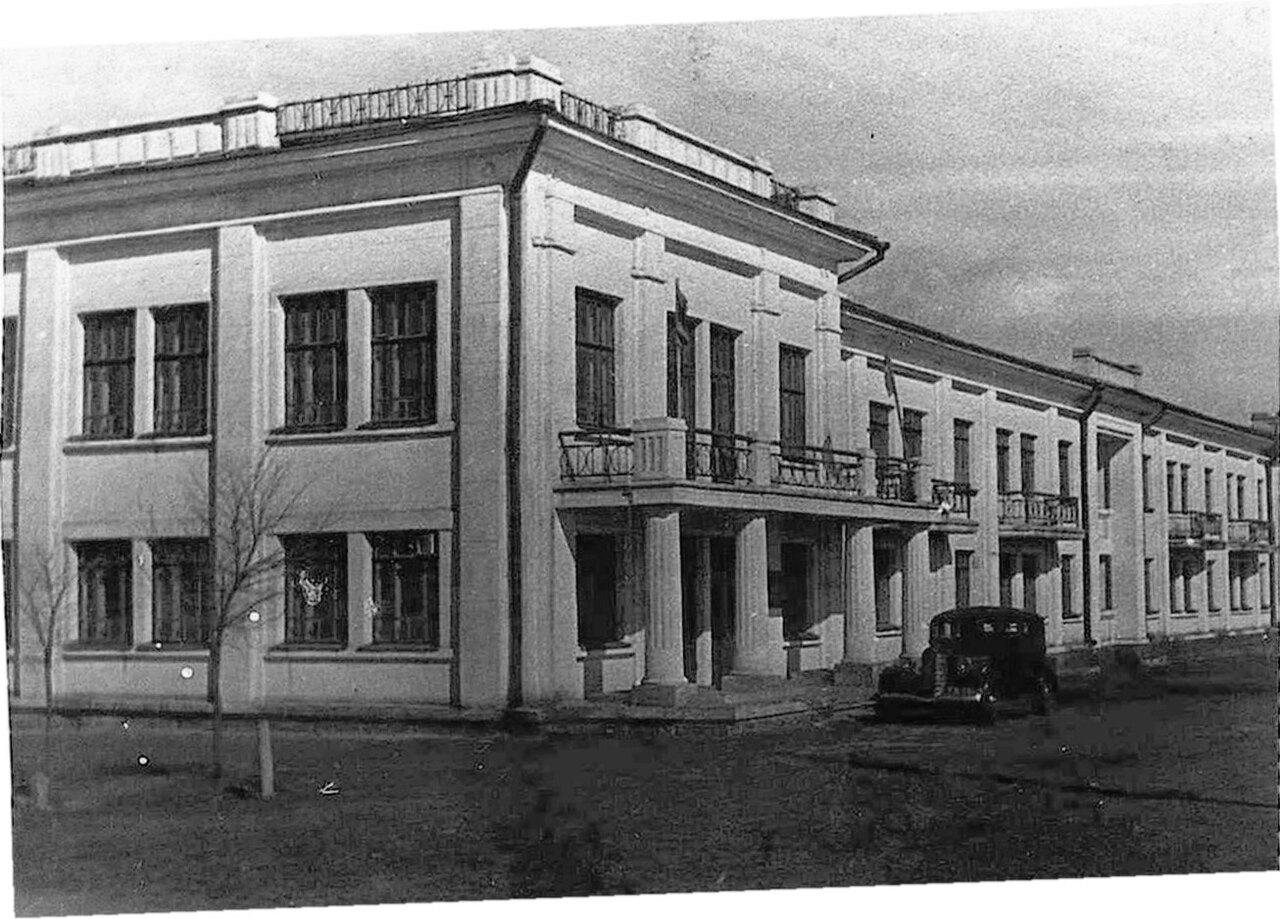
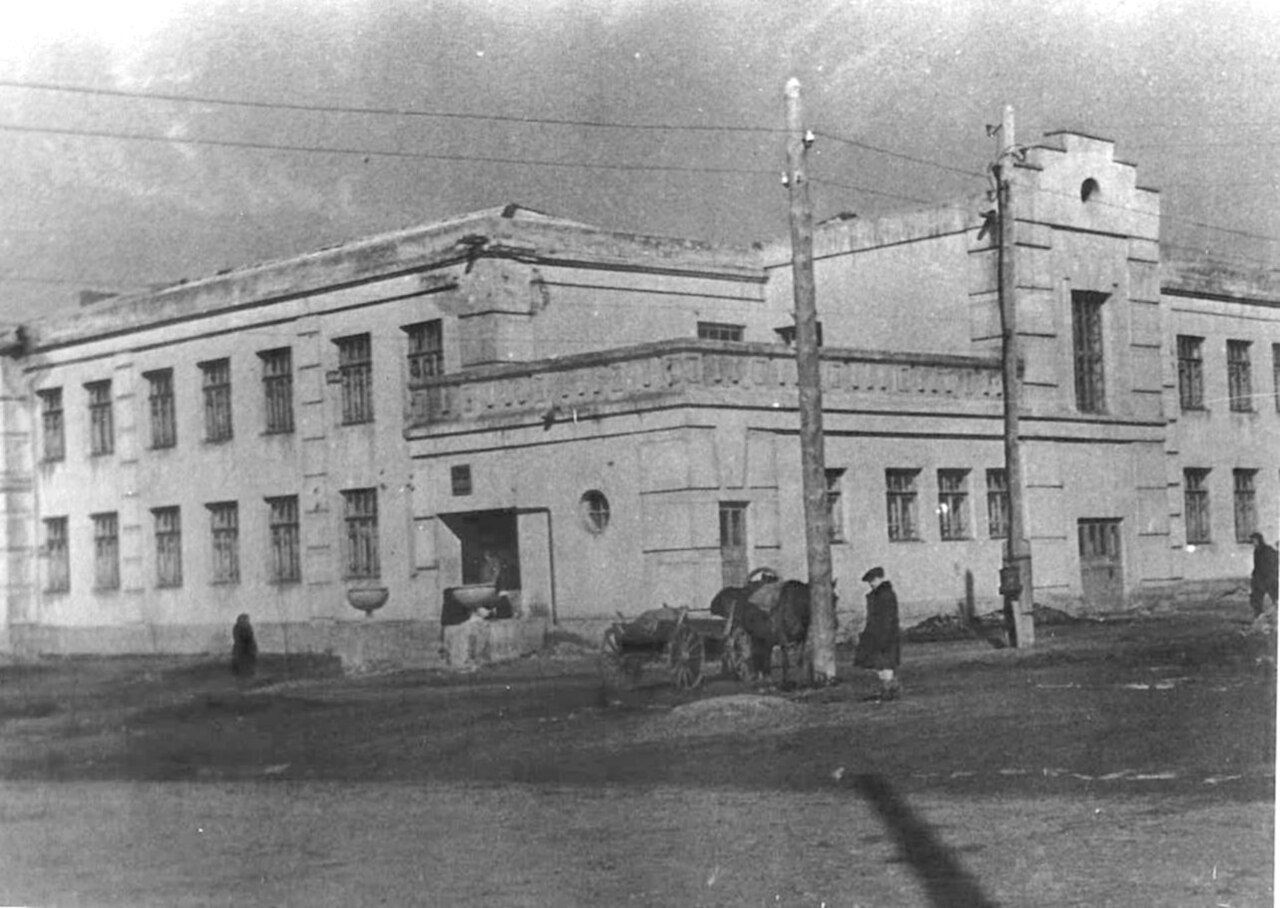
The name Aktobe carries a simple geographic truth: "white hill" in Kazakh, a reference to the elevated ground where the original settlement took root. By the turn of the century the town boasted two churches, a seminary, a Tatar mosque, separate boys' and girls' schools, a clinic, a bank, a post office, a public park, a cinema, and two mills.
Battleground of the Civil War
Because the Trans-Aral Railway threaded through Aktyubinsk, the city became one of the most fiercely contested points of the Russian Civil War. During that offensive the Kazakh leader Amankeldı İmanov, operating in the region with Bolshevik backing, was captured and executed. Frunze, reinforced by then, drove back in September; after an eight-day battle the Fifth Army secured the city on 10 September, capturing twenty thousand of Kolchak's troops and restoring Red control of the railway to Tashkent. The following March, an All-Kazakhstan Conference of Soviet Workers convened in the city, a step toward the eventual creation of the Kazakh Soviet republic.
Industrial Backbone and Wartime Transformation
Aktobe's modern economic identity was forged in heavy industry and energy extraction. The city's economy rests on coal mining, metallurgy, and the extraction and processing of oil and gas, making it a vital center for energy production and heavy manufacturing across Kazakhstan. Two large water reservoirs, Aktobe and Sazdy, supply the city and its surrounding areas, underpinning both industrial and domestic needs. A critical chapter in this industrial story unfolded during World War II, when factories were evacuated and relocated from Ukraine and Moscow to Aktyubinsk. Among the enterprises that took root there were a worker's cooperative, a ferroalloy factory, and an X-ray manufacturing plant, and chromium production also became part of the local industrial landscape. These wartime relocations permanently expanded the city's manufacturing base and workforce. The combination of natural resources, heavy industry, and strategic infrastructure has sustained the city's position as a center for trade and commerce in western Kazakhstan.
A Growing Western Metropolis
The city is well-connected by road and rail to other major Kazakhstani centers and to neighboring countries, and it is undergoing rapid urbanization with plans for continued expansion. Projections suggest the Aktobe agglomeration, encompassing surrounding settlements, could reach a population of around 1.3 million in the coming years. Beyond its industrial profile, the city has cultivated a growing cultural scene, hosting a variety of public events, and its educational institutions—universities and technical schools—have helped establish Aktobe as a center for higher learning and innovation in the region.
Gallery
Frequently Asked Questions
What is Aktobe?
Aktobe is a major city situated in the western part of Kazakhstan, built along the banks of the Ilek River. It functions as the capital of the Aktobe Region and is the largest urban center in that part of the country.
What role does Aktobe play in Kazakhstan?
It serves as the administrative seat of the Aktobe Region while also acting as a key industrial, economic, and cultural hub for western Kazakhstan. Many regional government offices and major manufacturing operations are based there.
Where exactly is Aktobe located?
It sits in the western region of Kazakhstan, positioned on the Ilek River. Its location makes it a natural gathering point for the surrounding steppe area.
Why is Aktobe considered important in the region?
It is the principal industrial and cultural center of western Kazakhstan, anchoring the local economy and hosting a concentration of regional institutions. Its status as the regional capital gives it outsized influence over surrounding communities.
More in Asian Cities 1-24
Elsewhere in the Asian Cities universe
Spotted an error? Know more?
This is a living reference — every entry is fact-audited, and reader corrections feed straight into our audit queue. Suggest an edit · See this site's audit record