
Bukhara
Ancient Silk Road city and center of Islamic scholarship.

Olim Guli · CC BY-SA 4.0
Since ancient times, it was one of the most prosperous cities in Transoxiana alongside neighboring Samarkand due to its location on the Silk Road, and its historic core is a UNESCO World Heritage Site. Dating to pre-Islamic antiquity, Bukhara became a major center of Islamic sciences and scholarship during the Islamic Golden Age, and was the birthplace of the scholar Imam Bukhari.
- country
- Uzbekistan
- region
- Bukhara Region
- known_for
- Historic center as UNESCO World Heritage Site; major Silk Road city; birthplace of Imam Bukhari
- historical_empires
- Samanid Empire, Karakhanid Khanate, Timurid Empire, Uzbek Khanate of Bukhara
Lore & Background
In the 16th century, Bukhara became the capital of the Uzbek Khanate of Bukhara, which added monuments such as the Po-i-Kalyan complex. The exact origin of the name Bukhara is uncertain, with possible derivations from Sanskrit vihāra (Buddhist monastery) or Sogdian βuxārak ('Place of Good Fortune').
Reader's Guide
Bukhara's significance lies in its role as a major center of trade, culture, and Islamic learning along the Silk Road for over a millennium. It was a key city in several Persianate empires, including the Samanids, Karakhanids, and Timurids, and its historic center, with numerous mosques and madrasas, is a UNESCO World Heritage Site. The city's architectural heritage includes the Kalyan Minaret, the Samanid Mausoleum, and the Po-i-Kalyan complex. Bukhara was also a center of the slave trade in the 16th–19th centuries, alongside Khiva. Its legacy as a hub of Islamic scholarship is exemplified by Imam Bukhari, and its cultural influence extended through Persian poetry and Sufi traditions, notably the Naqshbandi order. The city's name has been recorded in various forms, including Bokhara in English publications during the 19th–20th centuries.
Did You Know?
- Bukhara was known as Bokhara in English publications during the 19th and 20th centuries.
- The Kalyan Minaret is also known as the Tower of Death, where criminals were allegedly executed by being thrown off the top.
- Bukhara was a major center of the slave trade, and along with Khiva, was referred to as a 'slave capital of the world'.
- The city's name may derive from the Sanskrit word vihāra, meaning Buddhist monastery.
Crossroads of Commerce on the Silk Road
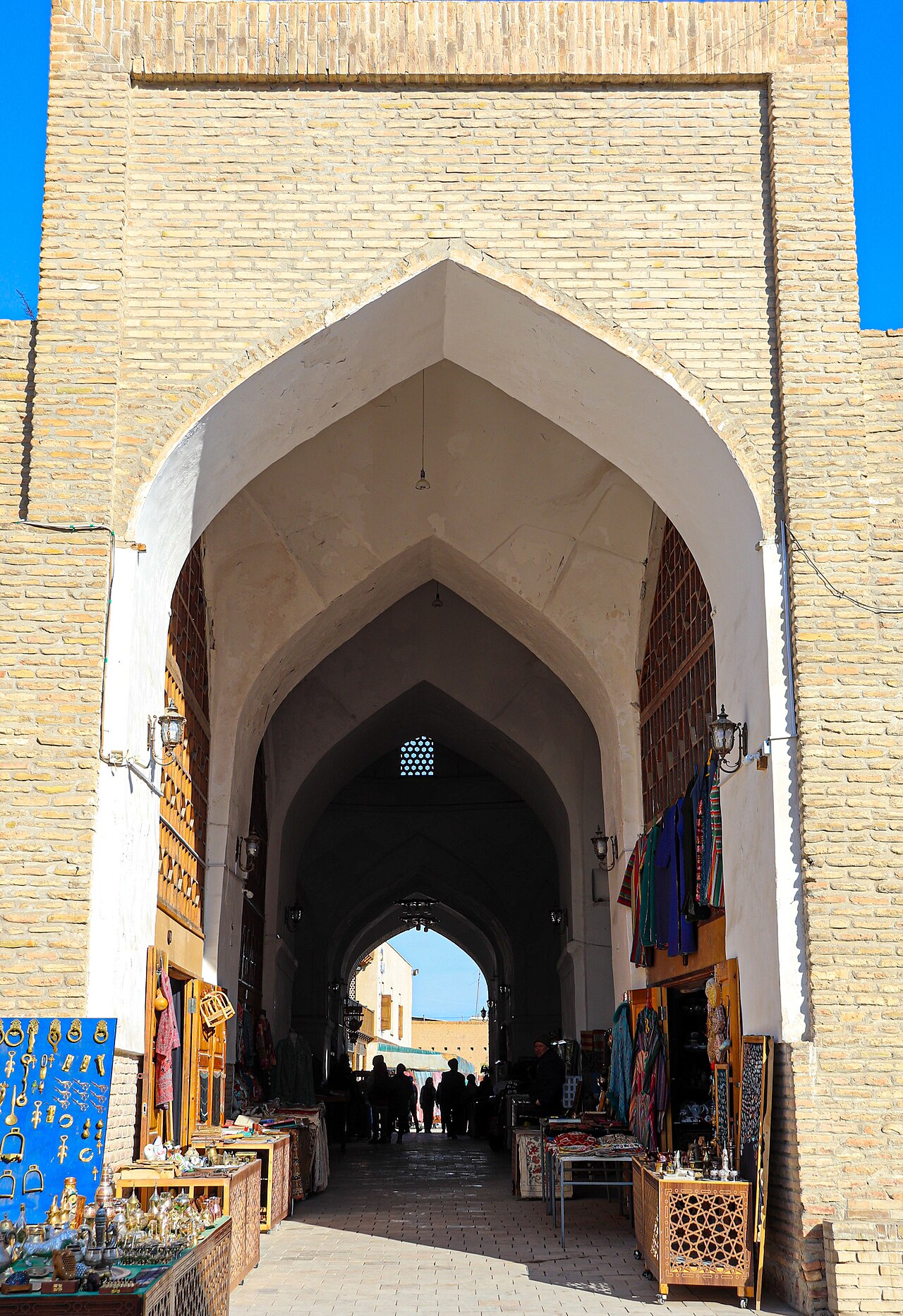
Bukhara's position along the ancient Silk Road made it one of the wealthiest urban centers in Transoxiana, rivaling its neighbor Samarkand for centuries. The city's commercial identity was so defining that one of its Arabic names, Madinat Al Tujjar, translates simply as 'the city of merchants,' while another, Madinat al Sufriya, evokes its association with copper. This trading heritage attracted diverse communities, including medieval merchants from Multan in present-day Pakistan, who were recorded as owning property within the city walls. Located west of Samarkand, Bukhara served as a vital node where goods, ideas, and cultures converged, sustaining prosperity from pre-Islamic antiquity through the medieval period. Even in the Tang dynasty and successive Chinese dynasties, the city was known by its transliterated name Bǔhē, a testament to how far its commercial reputation reached.
Cradle of Islamic Scholarship and Persian Letters
During the Islamic Golden Age, Bukhara rose to become one of the foremost intellectual centers of the Muslim world. The city was the birthplace of the scholar Imam Bukhari, a figure of enduring significance in Islamic learning, and it was also the home of Rudaki, widely regarded as the father of Persian poetry, who composed his most celebrated verses celebrating the beauty of his native city. New Persian flourished here, and Bukhara's numerous libraries made it a magnet for scholars across the Persianate world. The Naqshbandi Sufi order also took root in the city through Sheikh Baha' al-Din Naqshband, whose mystical approach to spirituality and theology influenced Islamic practice far beyond Central Asia. Together, these threads of jurisprudence, poetry, and mysticism established Bukhara as a defining cultural epicenter of medieval Persia.
Conquest, Resilience, and Political Transformation
Bukhara's long history is punctuated by dramatic episodes of destruction and renewal. Yet the city recovered under the Timurid Empire in the following century, reasserting its place among the great cities of Central Asia. In the sixteenth century it became the capital of the Uzbek Khanate of Bukhara, and the Uzbek rulers added numerous mosques, madrasas, and the Po-i-Kalyan complex to the urban fabric. By the nineteenth century, however, Bukhara had slipped to the periphery of the Persian and Islamic world, governed by local Emirs who represented the last of the Persianate princes. Agha Mohammad Khan Qajar made a final attempt to seize the city just before his assassination.
A Living Museum: Architectural Heritage and UNESCO Recognition
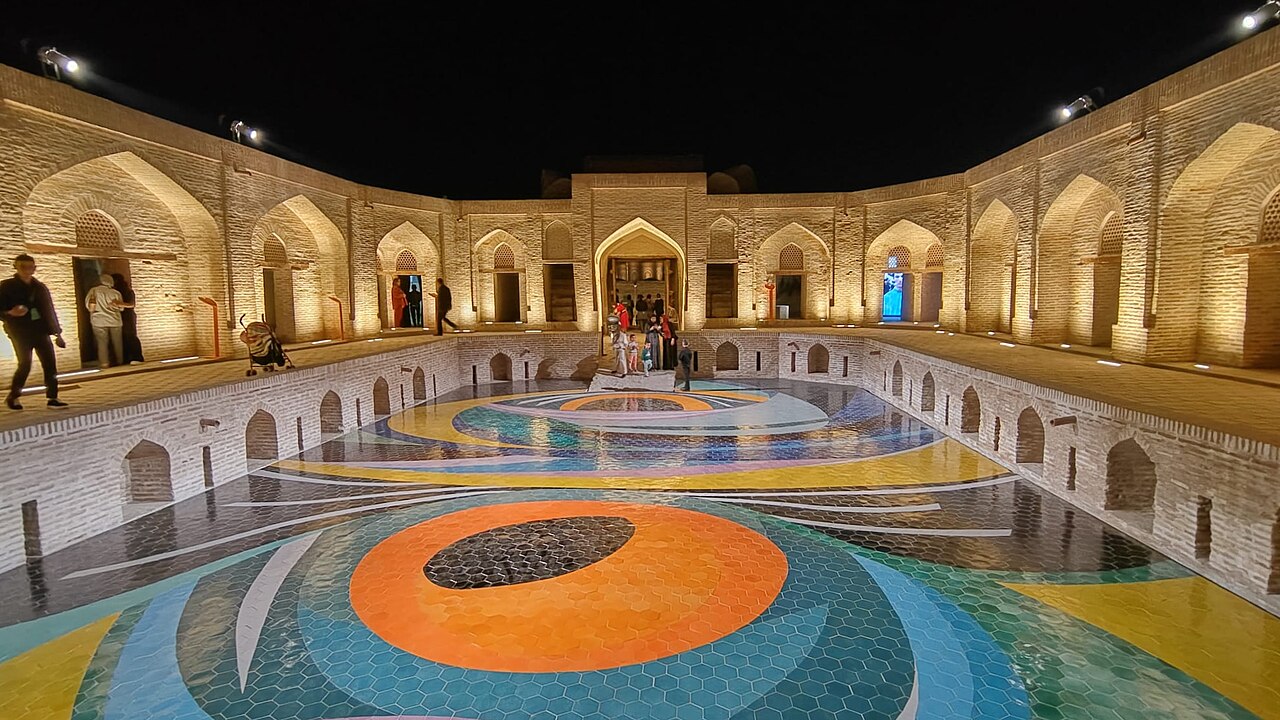
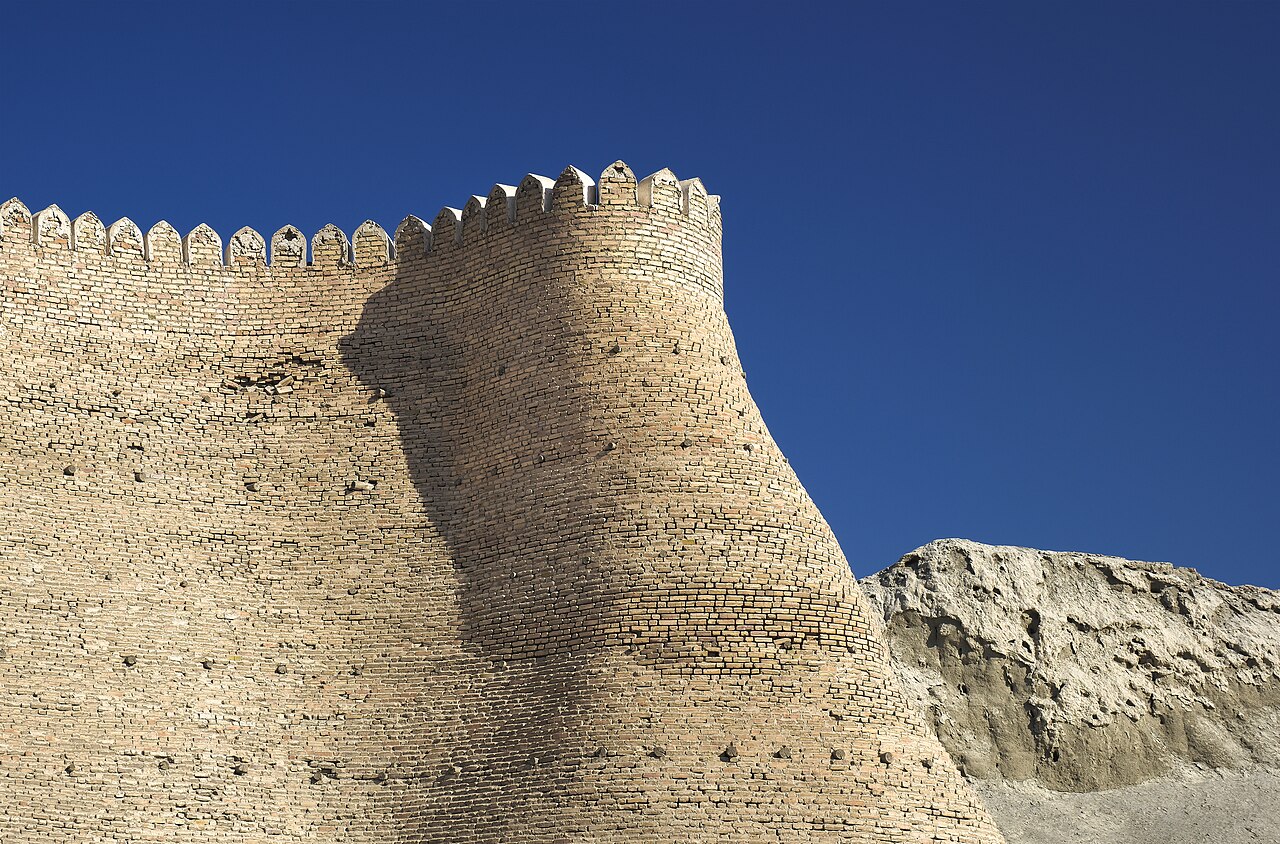
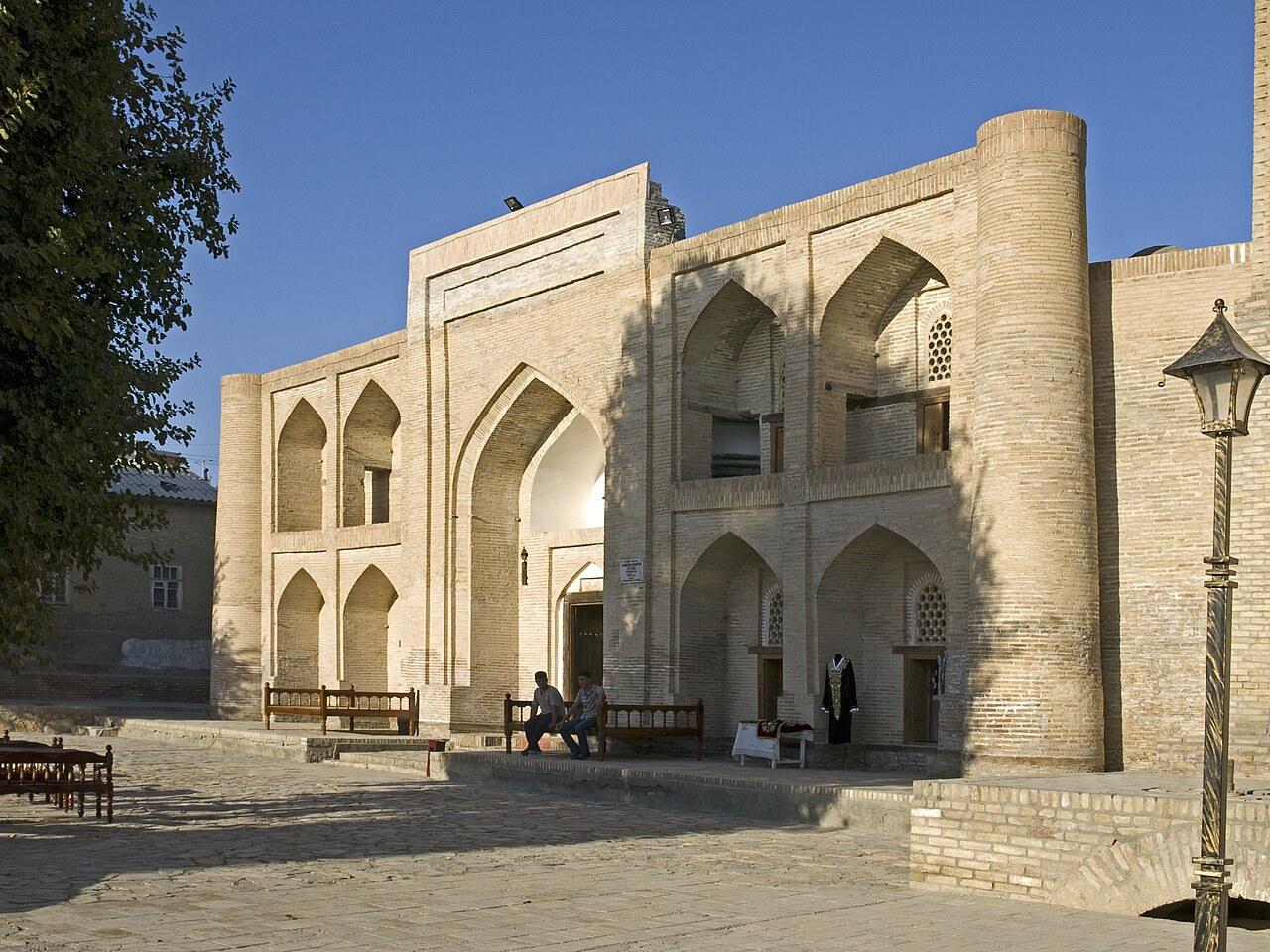
Among the most imposing is the Ark of Bukhara, a massive fortress that has anchored the city's defensive character across centuries. The Samanid Mausoleum stands as a testament to the empire that made Bukhara its capital, while the Kalan Minaret and the Magok-i-Attari Mosque bear the imprint of the Karakhanid Khanate, which added palaces and parks to the urban landscape in the eleventh century. The Uzbek state later contributed the Po-i-Kalyan complex and a number of additional mosques and madrasas. Together, these structures create a dense tapestry of religious and civic architecture that UNESCO has recognized as a World Heritage Site. The designation underscores that Bukhara is not merely a historical curiosity but a living urban center where the layered contributions of Samanids, Karakhanids, Timurids, and Uzbeks remain visible in the daily fabric of a city of over three hundred thousand people.
Gallery
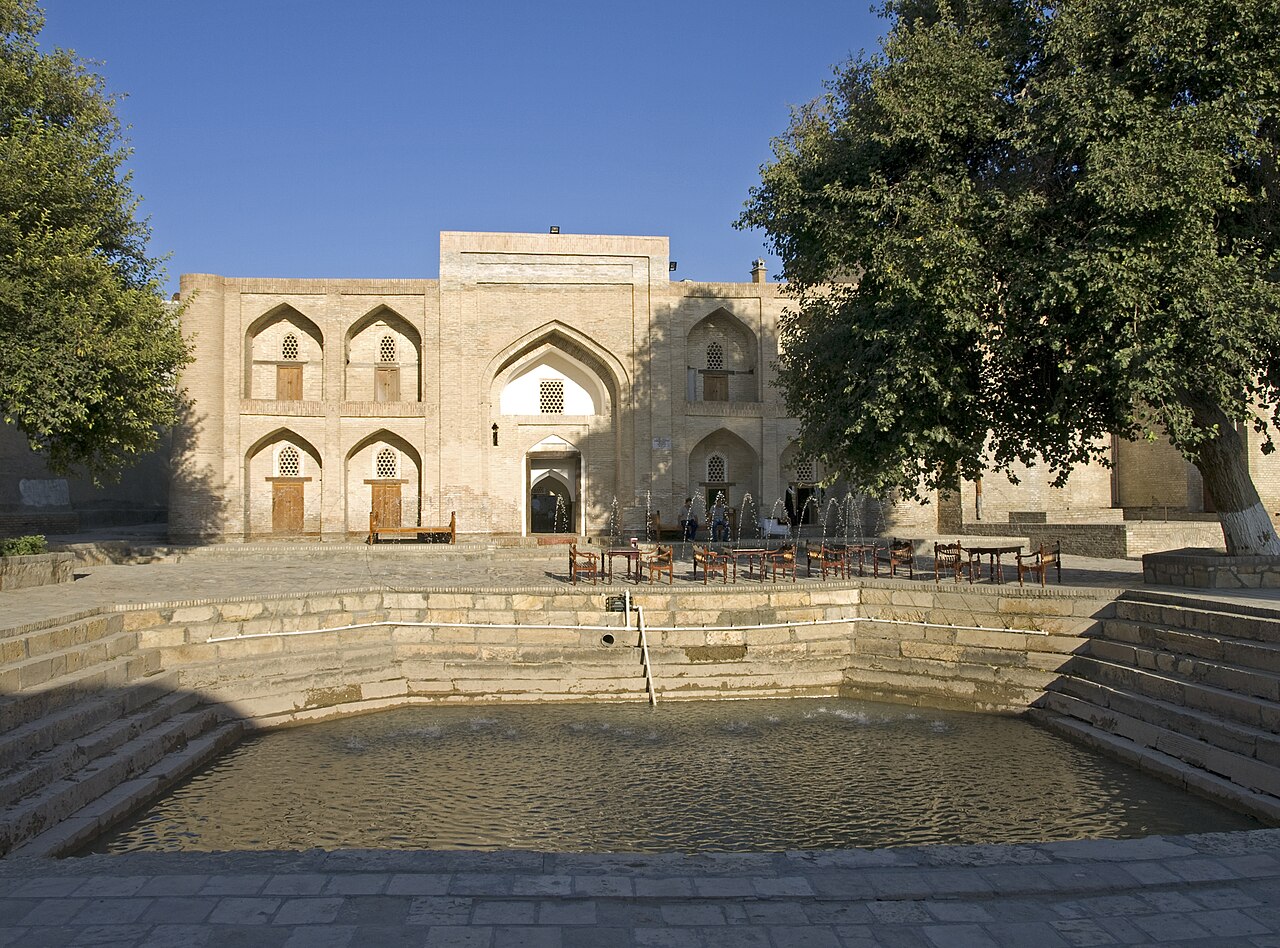
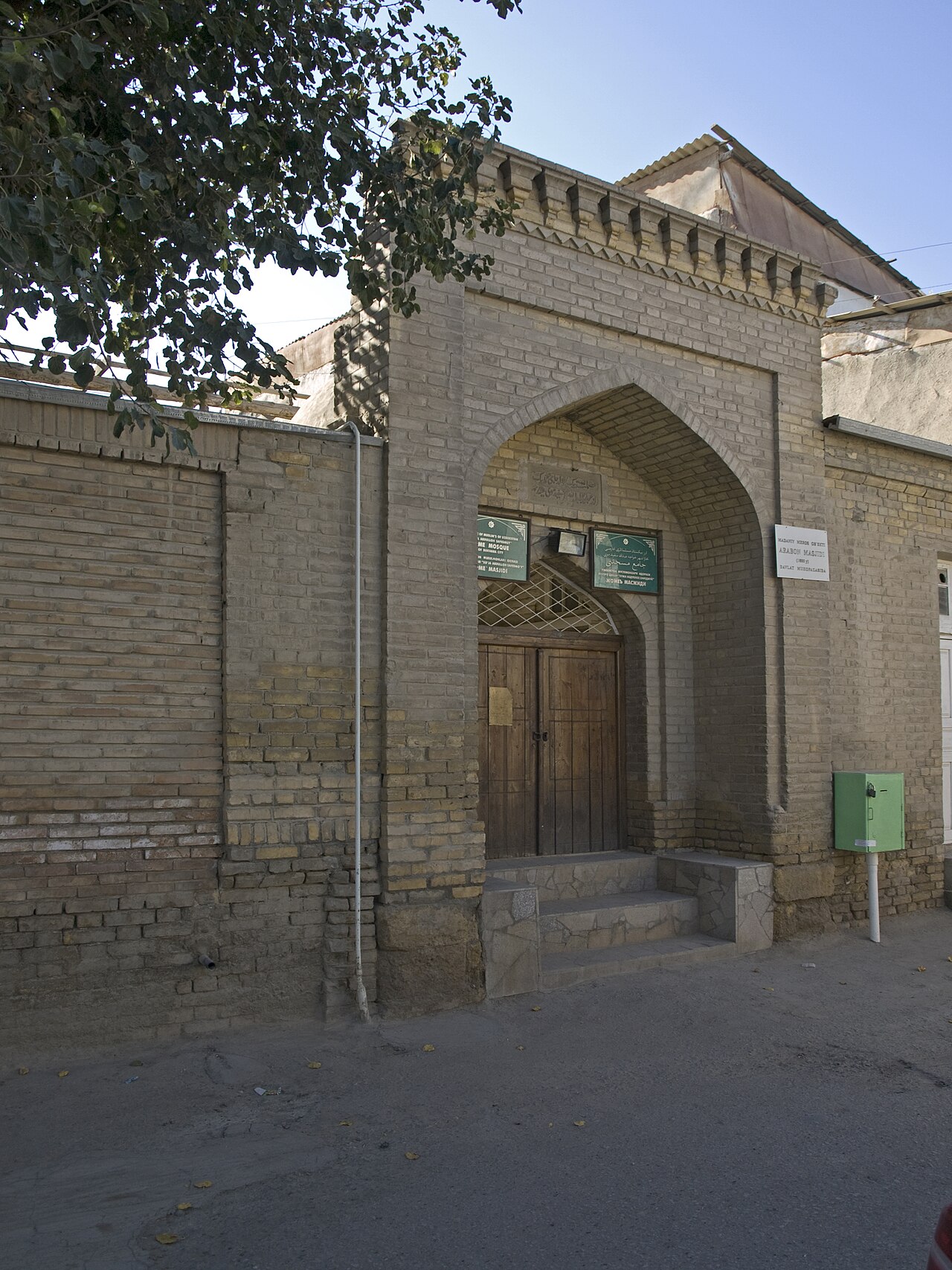
Frequently Asked Questions
What are Bukhara's powers and role in the series?
Bukhara functions as a legendary Silk Road trading hub that rivaled Samarkand in wealth and influence. It also served as a premier center of Islamic scholarship during the Golden Age, most famously as the birthplace of the hadith compiler Imam Bukhari.
How does Bukhara's story end?
Bukhara's historic core was preserved intact and designated a UNESCO World Heritage Site, locking in its legacy as a living monument to the Silk Road era. In the present day it still operates as an active regional capital in modern Uzbekistan.
Why is Bukhara important to the Asian Cities 1-24 lineup?
Bukhara hosted a succession of major powers—the Samanid Empire, Karakhanid Khanate, Timurid Empire, and the Uzbek Khanate of Bukhara—making it a political and cultural crossroads for centuries. Its UNESCO-listed old town gives it one of the most architecturally rich entries in the entire series.
What are Bukhara's key relationships with other entries?
Bukhara is most closely linked to Samarkand, its long-time Silk Road rival and geographic neighbor in Transoxiana. It also carries a deep scholarly bond to the broader Islamic intellectual tradition through Imam Bukhari, whose name itself derives from the city.
More in Asian Cities 1-24
Elsewhere in the Asian Cities universe
Spotted an error? Know more?
This is a living reference — every entry is fact-audited, and reader corrections feed straight into our audit queue. Suggest an edit · See this site's audit record