
Tokushima (city)
Capital of Tokushima Prefecture on Shikoku island.
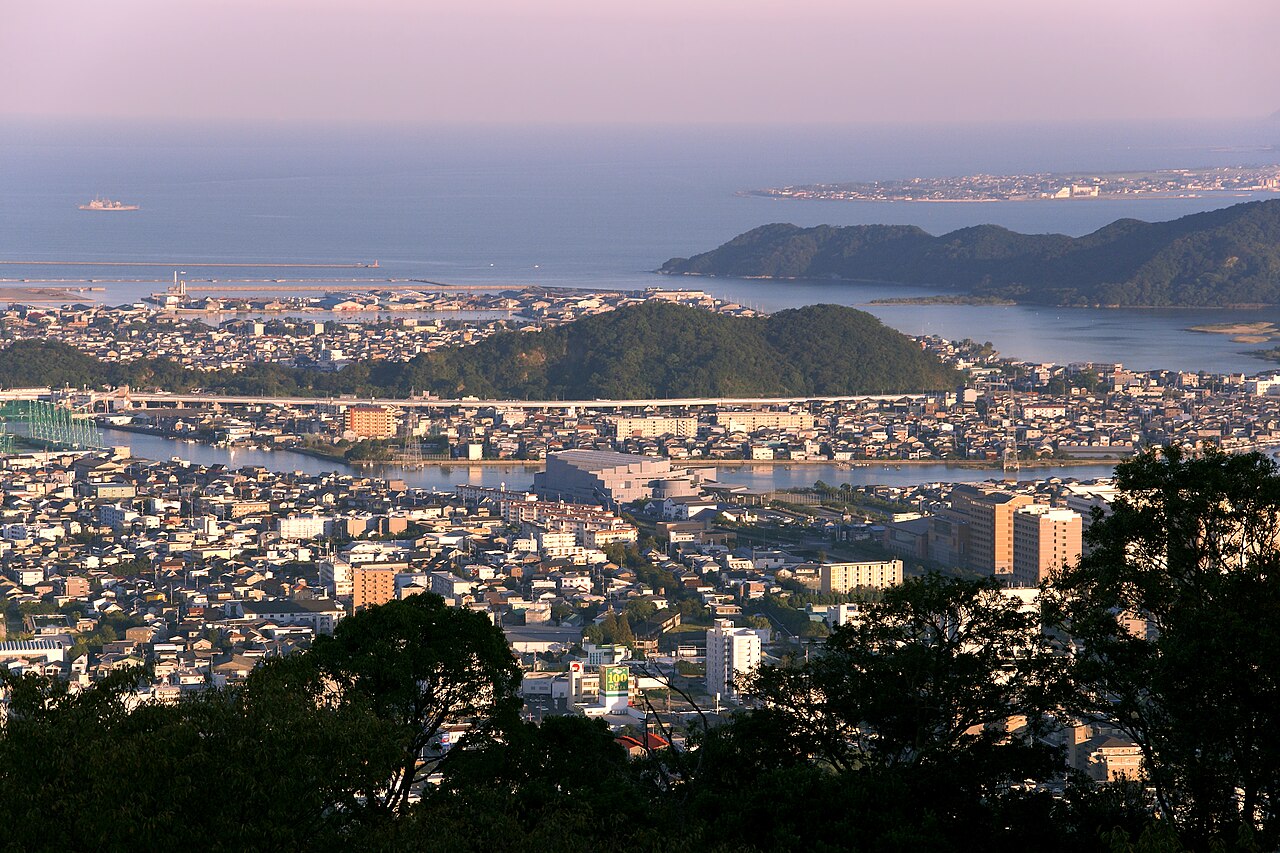
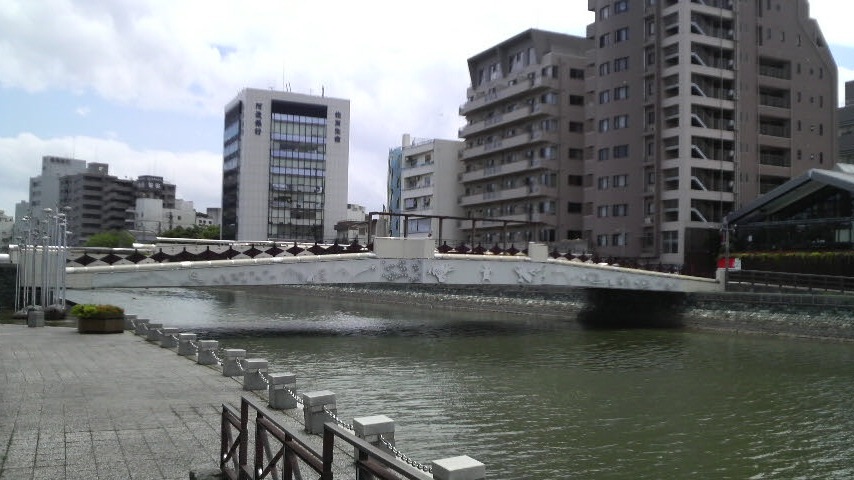
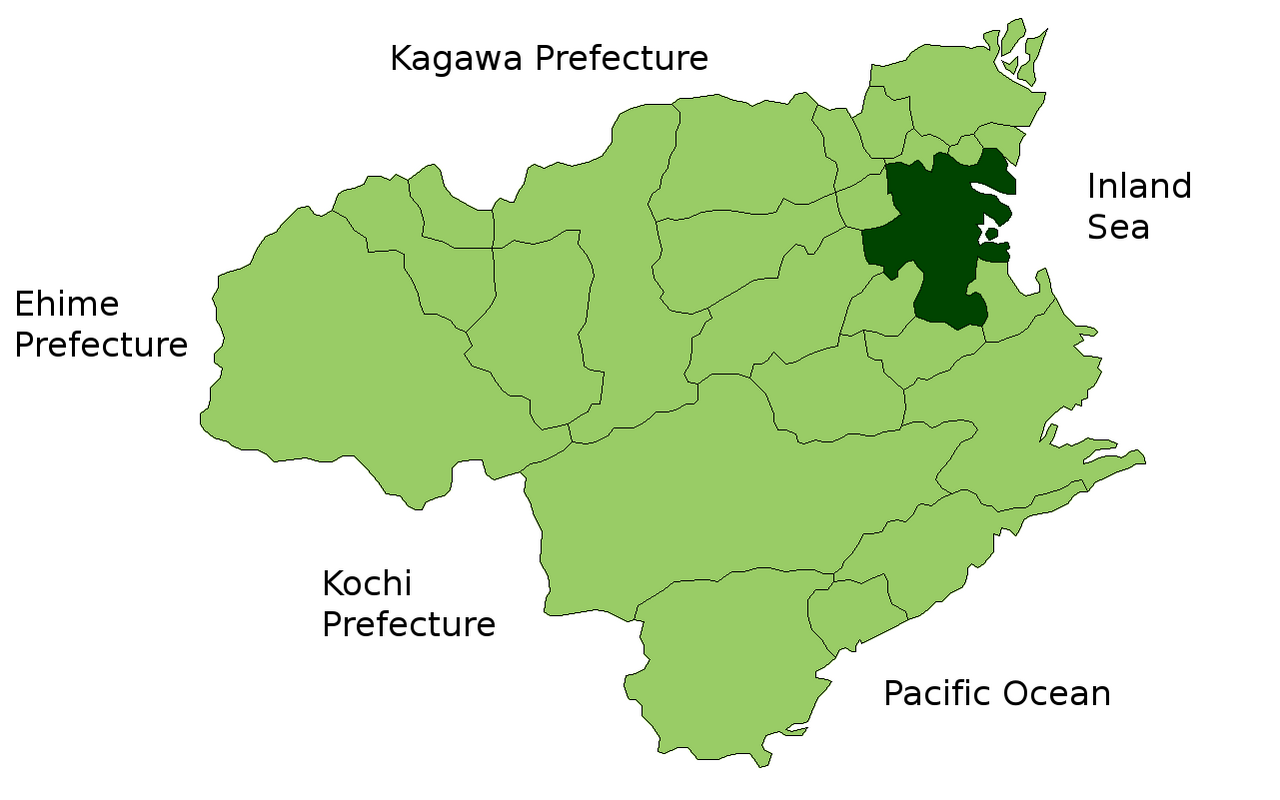
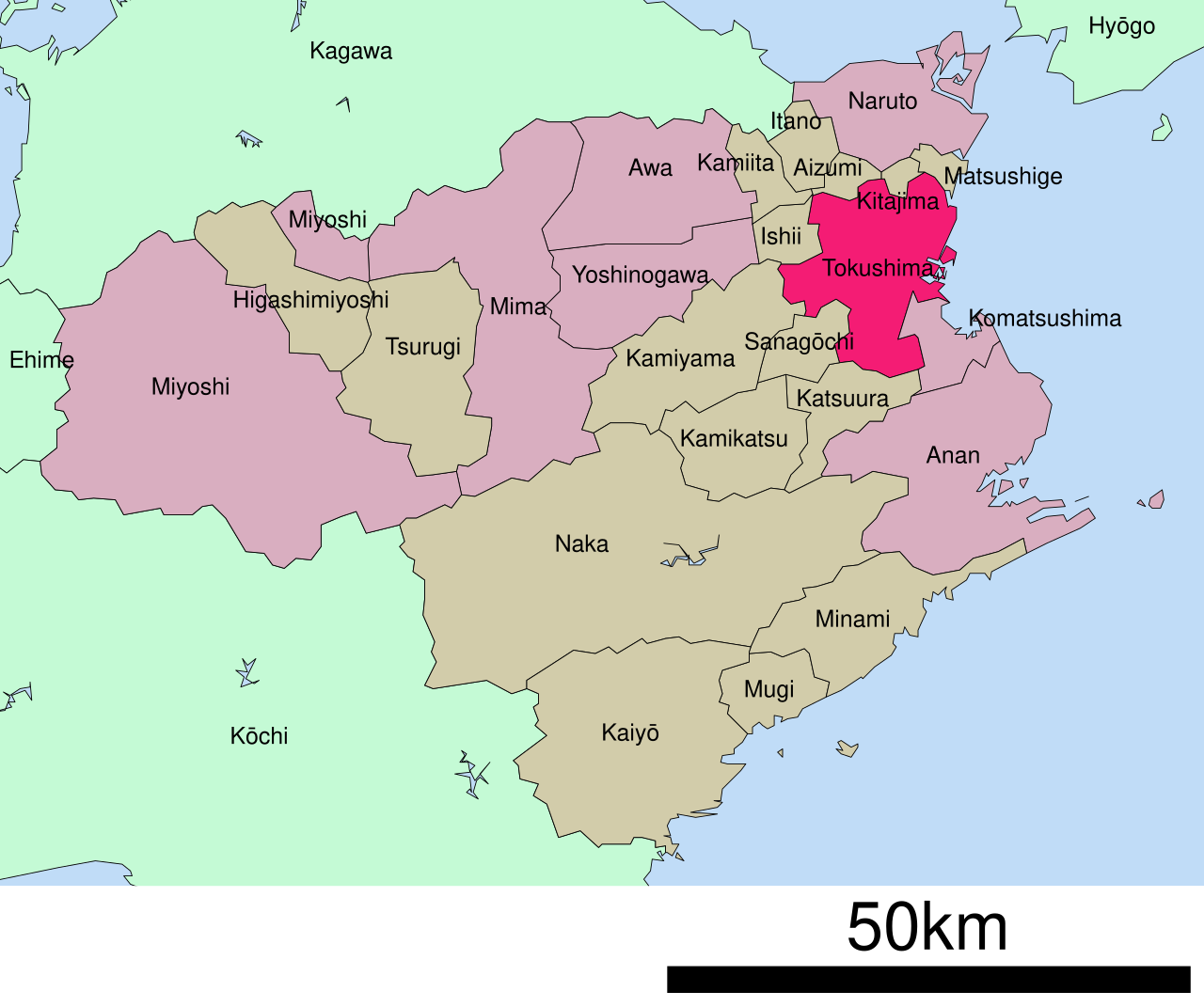
Tokushima is the capital of Tokushima Prefecture, located on the island of Shikoku in Japan. The city sits in the northeastern part of the prefecture, at the mouth of the Yoshino River. Its layout follows the classic pattern of a Japanese castle town, with most of the city lying flat on the Tokushima plain. Rising in the center is Mount Bizan, the city’s symbol, which gives the area a scenic look. The southern part of Tokushima is mountainous and forested. Rivers flowing through the city include the Akui, Imagire, Shinmachi, Suketō, and Yoshino. Neighboring municipalities in Tokushima Prefecture are Aizumi, Ishii, Kamiyama, Katsuura, Kitajima, Komatsushima, Matsushige, and Sanagōchi.
The city’s population has been increasing steadily over the last hundred years, according to Japanese census data. Tokushima has a humid subtropical climate, with hot summers and cool winters. Rainfall is high, but summers are noticeably wetter than winters.
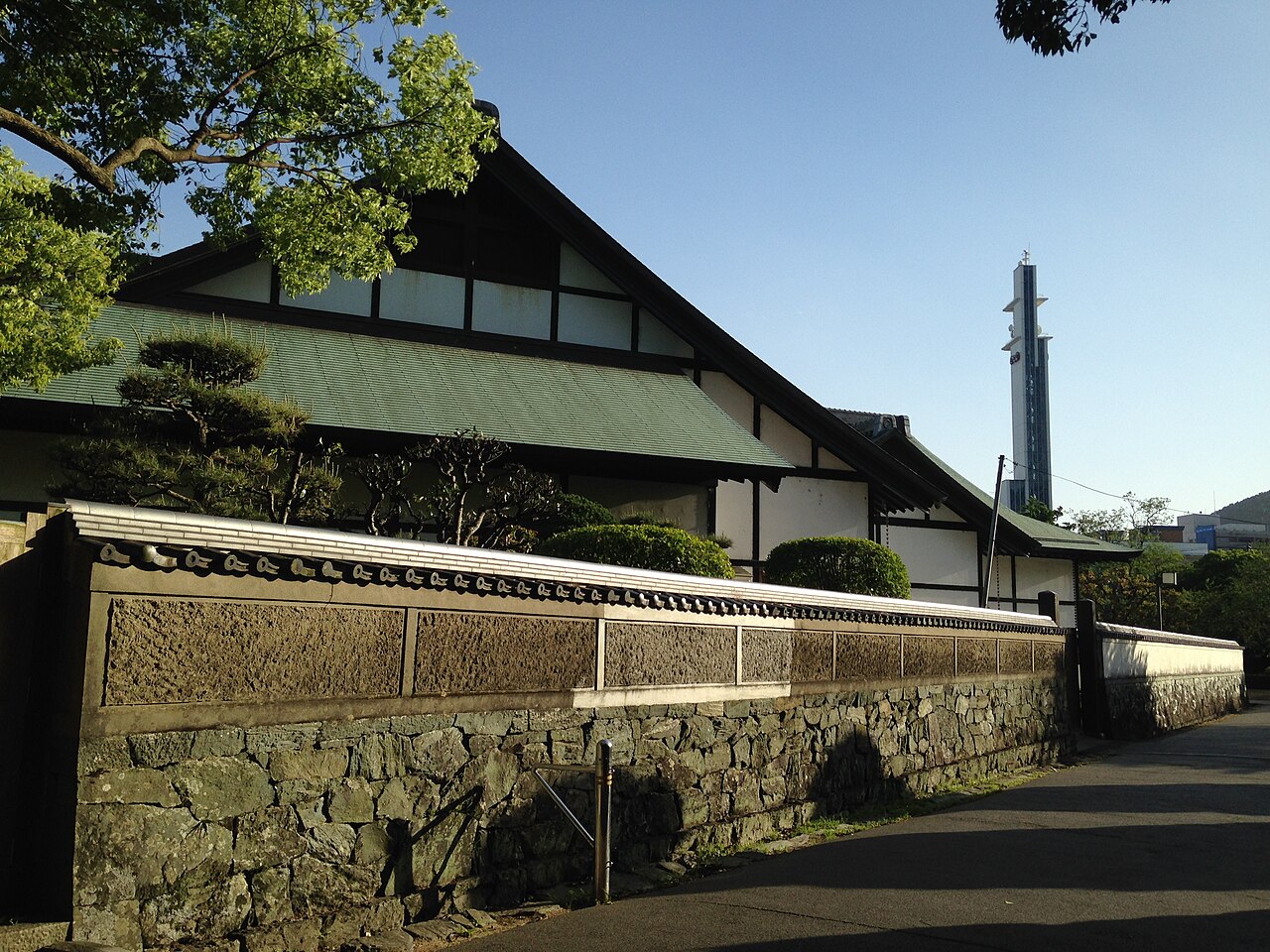
Historically, this area was part of ancient Awa Province. Tokushima grew up around Tokushima Castle, home to the Hachisuka clan, who ruled the Tokushima Domain during the Edo period under the Tokugawa shogunate. Its wealth came largely from a thriving indigo dye industry. After the Meiji restoration, Tokushima was officially established as a city on October 1, 1889, when the modern municipal system was created. At that time, it was the tenth-largest city in Japan.
During World War II, the United States’ XXI Bomber Command targeted Tokushima because it was an agricultural hub for the region. On July 3, 1945, at 5:45 PM Japan Standard Time, 137 aircraft took off to bomb the city. They dropped 1,050 tons of incendiary bombs, destroying 74% of the built-up area. Over 1,000 people were killed—431 men, 553 women, and 17 of unknown gender—and more than 2,000 were injured. A total of 354,664 incendiary bombs fell on Tokushima. Given the city’s 1944 population of 115,508, this works out to about 3.07 bombs per citizen.
The city government follows a mayor-council system, with a directly elected mayor and a 30-member city council. Tokushima sends ten members to the Tokushima Prefectural Assembly. Nationally, it is part of the Tokushima 1st district in the lower house of the Diet.
Economically, Tokushima has been the center of eastern Shikoku since the Edo period, when it flourished as a distribution hub for indigo and timber, becoming one of Japan’s leading commercial cities. It has strong ties to the Kansai region, especially Osaka—ties that grew stronger after the Akashi Kaikyo Bridge opened. When the indigo industry declined, the merchant class’s accumulated wealth fueled the growth of banks and financial institutions, which then supported modern industries like spinning, papermaking, pharmaceuticals, food processing, and electric power. Though the city was burned to the ground in the 1945 air raid, it was quickly rebuilt. Today, there are many industrial parks. Agriculture and forestry remain important to the local economy. The fertile Tokushima Plain, in the Yoshino and Katsuura river basins, produces rice as well as major crops like cauliflower and carrots.
For higher education, Tokushima is home to Shikoku University, Tokushima Bunri University, and the University of Tokushima. The city runs 30 public elementary schools and 18 public middle schools, while the prefectural education department operates nine public high schools. There are also one private elementary school, three private middle schools, and five private high schools. The prefecture additionally runs one night school and four special education schools for students with disabilities.
Transportation includes Tokushima Airport, located in the neighboring town of Matsushige. Railway service is provided by the Shikoku Railway Company on the Kōtoku Line, Mugi Line, and Tokushima Line. Major highways are the Tokushima Expressway and the Tokushima-Nanbu Expressway.
Tokushima has three sister cities: Saginaw, Michigan, United States (since December 1961); Leiria, Portugal (since October 1969); and Dandong, Liaoning, China (since October 1991).
Local attractions include several temples on the Shikoku Pilgrimage: Awa Kokubun-ji (15th temple), Dainichi-ji (13th), Ido-ji (17th), Jōraku-ji (14th), and Kan'on-ji (16th). Other sites are Ichinomiya Jinja (one of the ichinomiya of former Awa Province), the Shibunomaruyama Kofun (a National Historic Site), the Tokushima Archaeological Museum, Tokushima Castle and its museum, the Tokushima Domain Hachisuka clan cemetery (also a National Historic Site), and the Tokushima Prefectural Museum.
Every August during the Obon Festival, the city holds the Awa Odori, a cultural dance festival. The name means “Awa Dance,” referring to the ancient name for Tokushima Prefecture. Residents—from young children to professional troupes—perform a distinctive style of traditional Japanese dance in regional costumes, accompanied by strings, drums, and singing, often by the dancers themselves.
In sports, the city’s Asty Tokushima arena hosted the official 2007 Asian Basketball Championship.
- country
- Japan
- region
- Shikoku
- known_for
- Awa Odori festival, indigo dye industry, Tokushima Castle
Lore & Background
Tokushima is situated in the northeastern part of Tokushima Prefecture at the mouth of the Yoshino River. The city displays the typical characteristics of a Japanese castle town, with most of the city located on the flat Tokushima plain. Mount Bizan rises in the center, creating a scenic landscape, while the southern part is mountainous with forests. The city has a humid subtropical climate with hot summers and cool winters, and precipitation is high with wetter summers and drier winters.
Reader's Guide
Tokushima's significance stems from its role as the economic center of eastern Shikoku since the Edo period, when it prospered as a distribution center for indigo and timber. Following the decline of the indigo industry, accumulated merchant wealth led to the development of banks and financial institutions, which in turn fostered modern industries such as spinning, papermaking, pharmaceuticals, food processing, and electric power. Despite this, Tokushima was quickly reconstructed. Today, agriculture and forestry remain major contributors to the local economy, with the Tokushima Plain providing fertile land for rice, cauliflower, and carrots. The city is also famous for the Awa Odori festival held every August during Obon, a cultural dance festival featuring traditional Japanese dance accompanied by strings, drums, and singing.
Castle Town Roots and the Indigo Fortune
Tokushima grew up around its castle. During the Edo Period, the Hachisuka clan governed the Tokushima Domain from their seat at Tokushima Castle under the Tokugawa shogunate, and the settlement that formed around that stronghold became one of Japan's most commercially vital towns. The engine behind that prosperity was indigo dye: the city served as a major distribution hub for both indigo and timber across eastern Shikoku, earning its place among the leading commercial centers of the country. The indigo trade eventually waned, but the merchant families who had grown rich on it redirected their accumulated capital into banking and financial institutions. Those institutions, in turn, seeded a wave of modern manufacturing—spinning, papermaking, pharmaceuticals, food processing, and electric power—that carried the city into the twentieth century. Today the economic thread still reaches westward: the Akashi Kaikyo Bridge has deepened Tokushima's historic tie to the Kansai region, especially Osaka, making the bridge a lifeline for trade and daily commutes alike.
The Night of Fire: July 3, 1945
The arithmetic is staggering—nearly three incendiary bombs per resident. Seventy-four percent of the city's built-up areas were reduced to ash. Yet Tokushima did not remain a ruin. The city was rebuilt with remarkable speed, and the scars of that night gave way to numerous industrial parks that anchor the local economy today. The memory of the raid remains a defining chapter in the city's collective identity, a reminder of both the fragility of a community and its capacity to rise again.
Awa Odori and the Pilgrimage Landscape
No single event captures Tokushima's cultural soul quite like Awa Odori. Every August, during the Obon Festival, the streets fill with dancers of every age and skill level—toddlers taking wobbly steps alongside seasoned professional troupes—all performing a distinctive style of traditional Japanese dance in colorful regional costumes. The rhythm is set by strings and drums, and the singing typically comes from the dancers themselves, creating an atmosphere of communal joy that draws visitors from across the country. The name "Awa" is a direct echo of the province's ancient identity; the city and its prefecture were long known as Awa Province, and that older name lives on in the festival's title. Beyond the dance, Tokushima sits within the sacred geography of the Shikoku Pilgrimage, hosting five of its 88 temples: Dainichi-ji (13th), Jōraku-ji (14th), Awa Kokubun-ji (15th), Kan'on-ji (16th), and Ido-ji (17th). The Ichinomiya Jinja shrine, one of the principal shrines of the old Awa Province, adds another layer to the city's deep spiritual heritage.
A Castle Town on the Yoshino: Geography and Daily Life
The layout is a textbook example of a Japanese castle town: most of the urban area sits on the flat Tokushima Plain, but the city's beloved symbol, Mt. Bizan, rises in the centre and gives the skyline a distinctive silhouette. To the south, the terrain shifts into forested hills. Five rivers—Yoshino, Akui, Imagire, Shinmachi, and Suketō—thread through the landscape, feeding fertile basins where rice, cauliflower, and carrots are among the region's signature crops. The climate is humid subtropical, with sweltering, rain-heavy summers and milder, drier winters. Getting around is straightforward: the Shikoku Railway's Kōtoku, Mugi, and Tokushima lines connect the city to neighbouring towns, the Tokushima and Nanbu Expressways link it to the national highway network, and Tokushima Airport in the adjacent town of Matsushige provides air access. The city also maintains sister-city ties with Saginaw in Michigan, Leiria in Portugal, and Dandong in China, extending its reach across three continents.
Gallery
Frequently Asked Questions
What is Tokushima (city) known for?
The city is best recognized for the Awa Odori festival, its long heritage as a center of the indigo dye trade, and the ruins of Tokushima Castle. These three elements together define its cultural identity among Shikoku's cities.
How did Tokushima (city) develop historically?
The settlement grew up around Tokushima Castle, which served as the stronghold of the Hachisuka clan throughout the Edo period. Over time the surrounding area became a thriving hub for indigo dyeing, which drove much of the city's early economic growth.
Why is Tokushima (city) important to Shikoku?
As the prefectural capital, it functions as the administrative and cultural heart of the region. Its combination of Edo-period castle history, a nationally celebrated dance festival, and a distinctive dyeing tradition makes it a key reference point for anyone exploring Shikoku's heritage.
More in Asian Cities 1-24
Spotted an error? Know more?
This is a living reference — every entry is fact-audited, and reader corrections feed straight into our audit queue. Suggest an edit · See this site's audit record